At Prayer Breakfast, Trump Suggests Ukraine and Russia Are Nearing War's End

Donald Trump Addresses the National Prayer Breakfast
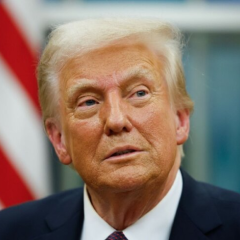
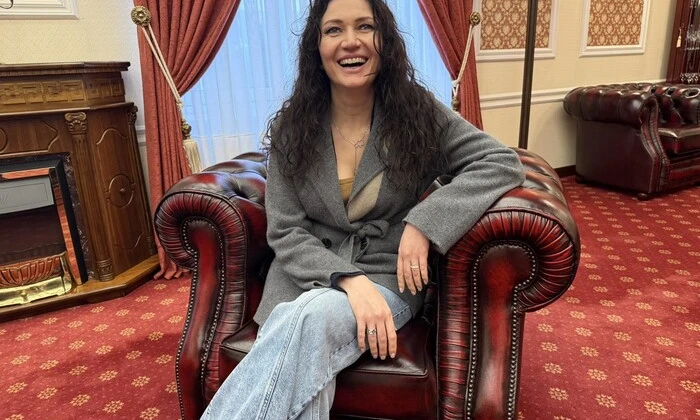
According to Главком: At the 74th National Prayer Breakfast in Washington on February 5, Ukrainian journalist Olesya Batsman was among those who heard former President Donald Trump speak. During his 90-minute address, Trump expressed optimism about ending the war in Ukraine, stating that Kyiv and Moscow are 'closer than ever before to concluding the conflict.' He also emphasized that any peace would be achieved 'solely through strength.'
The 79-year-old Trump claimed that over the past year he had been instrumental in stopping eight wars. He cited successes in mediating the conflict between Azerbaijan and Armenia, adding that Vladimir Putin had personally called him to discuss that settlement.
The event featured traditional breakfast fare, including:
- scrambled eggs
- sausages
- potatoes
- coffee
- orange juice
Furthermore, Trump publicly voiced his support for Homeland Security Secretary Kirstjen Nielsen and gave an interview to NBC News where he discussed international affairs. He remarked that while God protects people, he, Donald Trump,
"also helps out a little bit in that regard."
Optimism and Political Posturing
Trump's remarks at the prayer breakfast highlight his continued engagement with international conflicts, particularly the war in Ukraine, and his attempts to shape peace processes. His optimistic statements may be interpreted as signaling potential new diplomatic initiatives in the region. The National Prayer Breakfast is a long-standing Washington event that often blends faith and politics, attracting figures from across the political spectrum. Simultaneously, his endorsement of the Homeland Security Secretary underscores his intent to maintain influence in U.S. political life, which could have significant implications for future foreign policy directions.

Read also