Trump and Xi Jinping Discuss Ukraine War in High-Level Call

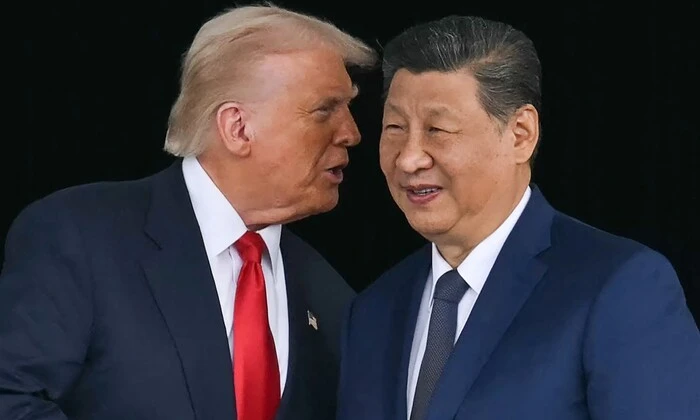
Trump and Xi Hold Phone Conversation
According to Главком: U.S. President Donald Trump and Chinese leader Xi Jinping held a telephone call, a significant step in the complex relationship between the world's two largest economies. The leaders covered a broad range of international political and economic issues, including the ongoing war between Russia and Ukraine.
Key Topics Covered
The wide-ranging discussion touched on several critical areas:
- Trade relations;
- Military matters;
- Plans for a potential Trump visit to China in April;
- The status of Taiwan;
- The current situation in Iran;
- Chinese purchases of U.S. oil and gas;
- Additional Chinese procurement of agricultural products, particularly soybeans.
President Trump noted that China has committed to purchasing up to 25 million tons of soybeans for the upcoming season. The supply of aircraft engines was also discussed.
This conversation followed a previous call held in late November of last year. President Trump stated that the detention of Venezuela's Nicolás Maduro would not affect his relationship with Xi Jinping. He characterized the talk as positive and substantive, covering many important subjects. Such high-level dialogue is closely watched by global markets and allies, given the far-reaching impact of U.S.-China relations.
'I just had a long and very good telephone conversation with President Xi of China. Talks are moving along very well,' – Donald Trump remarked.
The U.S. leader expressed confidence that the next three years of his presidency would yield many positive outcomes in relations with the People's Republic of China. This call could prove to be a significant factor in the future development of bilateral ties between the United States and China.
The phone call underscores the critical importance of direct dialogue between Washington and Beijing amid global geopolitical challenges, including the war in Ukraine and tensions with Iran. The interaction between these two powers can significantly influence international economic stability, security, and regional conflicts, particularly in Asia. The continuation of talks also signals an effort to manage tensions in a relationship that has profound implications for global markets and political stability.

Read also