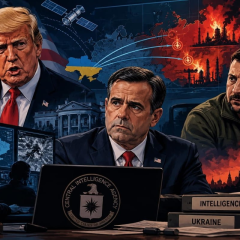
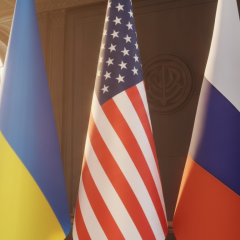
Truce Announced for May 9–11 and 1,000-Prisoner Exchange, Says Trump

Ceasefire Between Ukraine and Russia
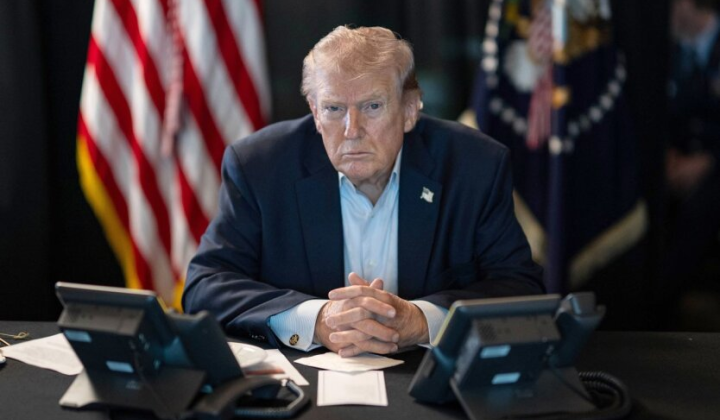
According to ХВИЛЯ: U.S. President Donald Trump has voiced his desire to significantly extend a three-day ceasefire between Ukraine and Russia, announcing a prisoner exchange on a 1,000-for-1,000 basis. Trump dismissed claims that the ceasefire initiative originated from Russian President Vladimir Putin, insisting that he himself requested the truce and that both leaders agreed to the proposal. The ceasefire is scheduled for May 9–11.
Leaders' Statements
In his remarks, Trump stated:
'I would like it to be extended considerably'
. He also highlighted the importance of a violence-free period:
'We have a brief window where they won't be killing people. That's very good. And they also agreed to return a thousand prisoners, so almost immediately there will be a transfer of a thousand prisoners from each side. That's very good.'
Volodymyr Zelenskyy confirmed Ukraine's agreement to the ceasefire and signed a decree allowing a parade in Moscow. The decree excluded Red Square from the scope of Ukrainian weapon deployment. Zelenskyy noted: 'Red Square is less important to us than the lives of Ukrainian prisoners who can be brought home.'
This news of a ceasefire and prisoner exchange carries significant weight for the future trajectory of the conflict between Ukraine and Russia. The duration of the truce and the willingness of both sides to engage in dialogue could pave the way for further negotiations and a potential reduction in tensions. The statements from Trump and Zelenskyy may signal new opportunities for a diplomatic resolution to the conflict, though tangible progress will depend on the actions of both nations in the coming days.
The recent developments in the Ukraine-Russia conflict raise important questions about the potential for a lasting peace. As Trump emphasizes the significance of the truce, it is worth considering how this situation compares to other global conflicts. For instance, Trump suggested that the war in Ukraine could conclude sooner than tensions with Iran, highlighting the complexities and varying timelines of international disputes. Such insights could provide a broader context for understanding the ongoing negotiations and their implications for the region.

Read also