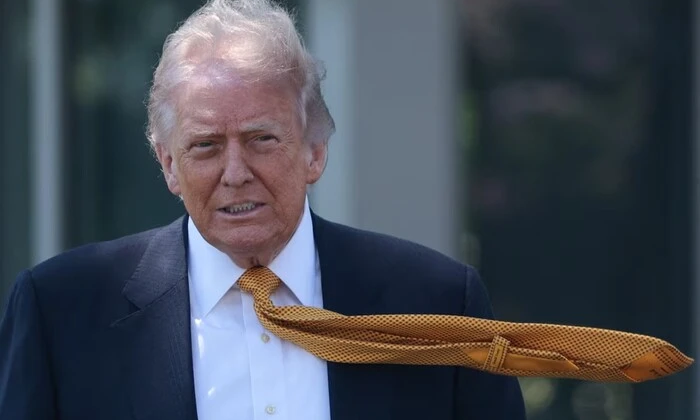
Trump clarifies why Americans' financial struggles do not shape his Iran policy

U.S. policy toward Iran
According to Главком: U.S. President Donald Trump has stated that the financial hardships faced by Americans do not influence his decisions regarding Iran policy. His primary focus remains preventing Tehran from acquiring nuclear weapons. The president made this remark before departing for China, emphasizing the critical importance of nuclear security.
White House Communications Director Steven Cheung elaborated on the administration's stance, noting that Washington's key demand for a peaceful agreement is Iran's abandonment of its nuclear program and the transfer of enriched uranium. However, Tehran refuses to fully dismantle its nuclear activities, raising concerns in Washington.
Iran's military capabilities
U.S. intelligence reports indicate that Iran is rapidly rebuilding its military strength. Specifically, intelligence suggests that Iran has gained operational control over 30 out of 33 missile sites along the Strait of Hormuz.
'The only thing that matters when I talk about Iran is that they cannot have nuclear weapons.' Donald Trump
Trump added: 'I am not thinking about Americans' financial situation. I am not thinking about anyone. I am thinking about one thing: we cannot allow Iran to have nuclear weapons. That's it. That is the only thing driving me.'
Cheung also stated that 'Iran cannot have nuclear weapons, and if no action is taken, they will obtain them, which threatens all Americans.' Consequently, the Trump administration continues to insist on a tough policy toward Iran, despite domestic economic challenges.
The situation surrounding Iran's nuclear program remains tense, and the Trump administration's position signals its intent to maintain a hardline approach in international relations. This could impact future negotiations with Iran and overall regional security, particularly in the context of U.S. relations with allies and potential threats from Tehran. The situation also highlights the disconnect between foreign policy and domestic economic issues, which could pose additional challenges for the Trump administration.
As the Trump administration maintains its firm stance on Iran's nuclear ambitions, it is crucial to understand the broader implications of this policy amid ongoing geopolitical tensions. For instance, the conflict with Iran is intensifying without Congressional approval, leading to a critical phase in U.S. foreign relations. To explore how these developments may affect future negotiations and regional stability, read more about the escalating situation surrounding Trump's term and Iran.

Read also