Allies’ Reluctance Could Derail Trump’s Iran Deal

Trump Ramps Up Diplomatic Pressure
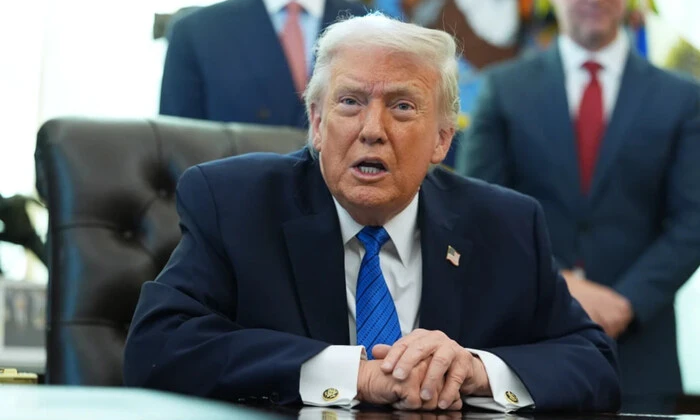
According to Главком: U.S. President Donald Trump has signaled he might walk away from negotiations with Iran if key Middle Eastern nations fail to endorse the Abraham Accords. He has been pushing Saudi Arabia, Pakistan, and Qatar to commit, warning that without their genuine backing, a deal with Iran is unlikely to move forward. Originally launched during Trump’s first term, the Abraham Accords aim to normalize relations with Israel. However, these countries have shown little enthusiasm for joining the initiative so far.
Military Strikes and Iran’s Response
In a recent escalation, the United States conducted airstrikes in southern Iran’s Hormozgan province. U.S. Central Command described the strikes as defensive, targeting missile launch sites and boats that were reportedly laying mines. Tehran accused Washington of violating a nearly seven-week ceasefire agreement.
“The United States will no longer have a safe haven for its operations or for building military bases in the region. With each passing day, it moves further away from its former status.” - Supreme Leader of Iran, Mojtaba Khamenei
This development highlights the growing tensions in the region and the complex challenges facing nations as they try to forge new political alliances. Without unity among key Middle Eastern players, the U.S. may struggle to achieve its strategic goals-particularly maintaining regional stability and countering Iranian influence. As a result, international observers and analysts will need to closely monitor how events unfold in the coming weeks.
The ongoing tensions in the region are further compounded by recent military actions. Following Trump's diplomatic maneuvers, he has intensified his stance towards Iran, as detailed in our coverage of the U.S. airstrikes and maritime blockades. These developments underline the precarious balance of power, emphasizing the urgent need for strategic alignments among Middle Eastern nations.

Read also