Trump Slams Netanyahu Over Escalation in Lebanon, Calling Him 'Crazy'

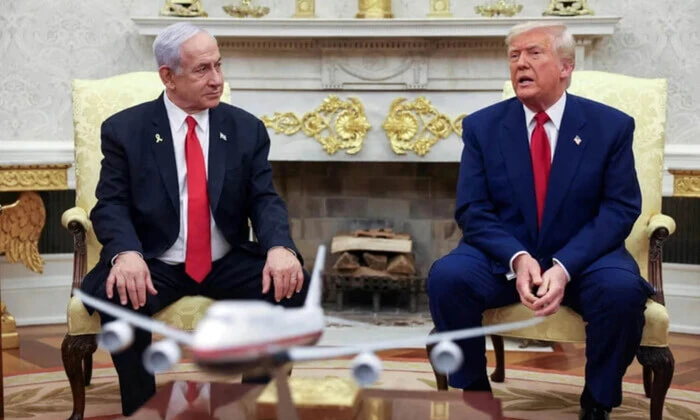
The Trump-Netanyahu Phone Call
According to Главком: During a phone conversation, U.S. President Donald Trump sharply criticized Israeli Prime Minister Benjamin Netanyahu for the escalating military actions in Lebanon and plans to strike Beirut. The call came after Iran threatened to walk away from negotiations with the United States. According to Axios, citing American officials and sources, this exchange ranks among the most tense between the two leaders since Trump returned to the White House.
Trump voiced concerns that the escalation in Lebanon could derail critical talks between Washington and Tehran. He argued that the situation had turned international opinion against Israel.
“You’ve lost your damn mind. If it weren’t for me, you’d be in prison. I’m saving your ass. Now everyone hates you. Everyone hates Israel because of this,” – Donald Trump.
Following the call, Israel decided to abandon plans to strike Hezbollah targets in Beirut. Netanyahu, however, made clear that operations in southern Lebanon would continue, along with responses to attacks from the group. According to a U.S. official, the core of the dispute stemmed from Washington's fear that the escalation might collapse the ongoing U.S.-Iran negotiations.
Regional Dynamics
This phone call highlights the complex regional landscape and the strained atmosphere between the two allies amid mounting threats from Iran. Washington believes that further escalation could carry serious consequences for international diplomacy. With rising tensions between the U.S. and Iran, and the broader Middle East situation deteriorating, diplomatic efforts remain crucial to maintaining stability.
- Cooperation between key allies like the U.S. and Israel may prove vital in preventing further conflict.
This recent exchange sheds light on the growing tensions between Trump and Netanyahu, particularly in light of the challenges posed by Iran. As both leaders navigate their complex relationship, the implications for U.S.-Iran negotiations and regional stability become increasingly critical. Understanding the backdrop of these tensions can provide deeper insights into the current geopolitical landscape.

Read also