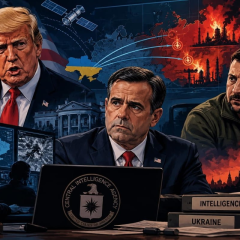
Trump’s Disillusionment with Netanyahu Grows After Iran War Failure

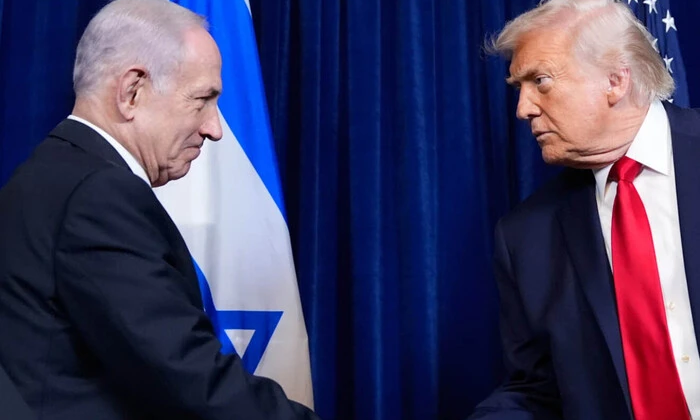
Tensions Rising Between Trump and Netanyahu
According to Главком: According to a Guardian analysis, friction is escalating between U.S. President Donald Trump and Israeli Prime Minister Benjamin Netanyahu in the aftermath of the Iran war. Netanyahu had aggressively pitched the idea that Iran could be quickly defeated, but that scenario fell apart-leaving Trump frustrated and openly critical of Israel’s actions.
The growing rift is evident as the United States has stopped consulting Israel on Iran-related negotiations. Netanyahu has publicly insisted that coordination with Trump remains tight, claiming they speak almost daily. Yet former Israeli diplomat Alon Pinkas argues that Netanyahu convinced the White House that Iran’s regime was brittle, its economy collapsing, and its people ready to revolt. The promised swift victory never materialized, and Iran did not collapse. To make matters worse, the Strait of Hormuz now faces potential blockades, and strikes on American bases have triggered a fresh crisis.
Trump’s Growing Disappointment
Trump’s frustration with Netanyahu has sharpened, especially during ceasefire talks where Israel was sidelined. After an Israeli strike on an Iranian gas field, Trump voiced his displeasure. He also stated:
“Israel will no longer bomb Lebanon. The U.S. has forbidden them from doing so. Enough is enough!!!” - Donald Trump
This signals that Trump is no longer willing to back Israeli operations without prior consultation.
Experts note the shift. Dalia Scheinlin remarked, 'He talks so much about how great their relationship is, but the level of tension worries me a lot.' Overall, the situation suggests that Trump and Netanyahu have 'bitterly let each other down,' which could have serious implications for future U.S.-Israel relations. Former Trump adviser John Bolton has confirmed that Netanyahu still wields significant influence in Washington, but the current dynamic may reshape their partnership.
This growing U.S.-Israel discord may reflect a broader shift in Middle Eastern geopolitics. Trump’s refusal to endorse Israeli military moves without consultation could force both nations to rethink their regional strategies. It may also affect U.S. ties with other allies and security partners, particularly regarding Iran, where tensions remain high. The prospect of new crises and the need for strategic reassessment will likely pose major challenges for both leaders in the near future.
The evolving dynamics between Trump and Netanyahu raise questions about future U.S. involvement in the region. In light of recent tensions, Trump's signals regarding a potential ceasefire extension and troop deployment could indicate a shift in strategy that impacts both American and Israeli interests moving forward.

Read also