Trump Administration Targets Russia's Allies to Shape Ukraine War Outcome

Trump Administration's 2025-2026 Strategy
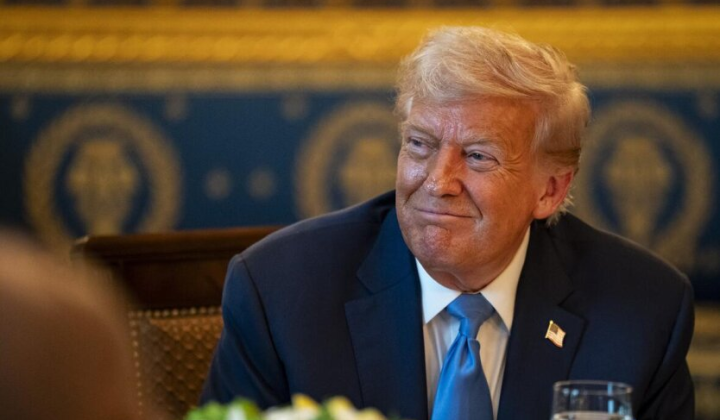
According to ХВИЛЯ: During his 2025-2026 term, the administration of Donald Trump implemented a series of measures designed to pressure key Russian allies, including Iran and Venezuela, as part of a broader strategy to influence the war in Ukraine. In June 2025, the U.S. launched a series of strikes against Iran, which triggered widespread protests across the country by December. Reports indicate that thousands of Iranian citizens were killed during the subsequent crackdown. In a significant strategic move, the American administration arrested Venezuelan dictator Nicolás Maduro in January 2026.
Energy Deal with India and Abu Dhabi Negotiations
In February 2026, the White House announced a major agreement with India, which involved increasing imports of American energy and halting purchases of Russian oil. Experts note that the United States currently leads the world in oil production, while Russia ranks third behind Saudi Arabia. Concurrently, negotiations were held in Abu Dhabi, where American, Ukrainian, and Russian delegations agreed to exchange 314 prisoners of war. This demonstrates active U.S. efforts to manage the conflict.
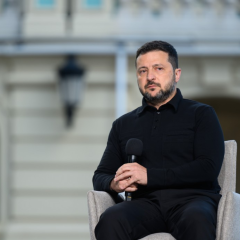
Ukrainian President Volodymyr Zelenskyy reported in February that the U.S. had set a June deadline for reaching an agreement to end the war. As part of this push, Republican Senator Lindsey Graham is advancing a comprehensive sanctions bill targeting Russia. The proposed legislation would punish nations and companies that continue to purchase Russian energy by imposing secondary sanctions and tariffs. A separate bipartisan package is aimed at the tankers, insurers, and networks Russia uses to move its oil and evade sanctions.
Analysts point out that the Trump administration's actions against Iran and Venezuela are strategically significant for weakening Russian influence. For instance, Iran supplies Russia with attack drones and other military aid, while Venezuela provides Moscow with diplomatic support and a foothold in the Western Hemisphere. Removing Maduro deprived Moscow of a key client, and increased pressure on Iran threatens the supply chain of weapons and drones Russia uses against Ukrainian civilians.
Thus, the Trump administration is attempting to alter the Kremlin's calculus by forcing Russia to confront the tangible consequences of its actions in Ukraine. According to experts, peace in Ukraine is only possible once Russia fully comprehends the repercussions of its aggression. This approach marks a significant shift in U.S. foreign policy, moving beyond direct aid to Ukraine to actively constraining Russia's international support network.
The Trump administration's foreign policy maneuvers illustrate a proactive U.S. stance in countering Russian influence, specifically by pressuring the Kremlin's key allies. Furthermore, the energy agreement with India, aimed at reducing reliance on Russian resources, signals Washington's intent to strengthen its global position. The introduction of new sanctions against Russia could also have profound implications for the world energy market and international relations.

Read also