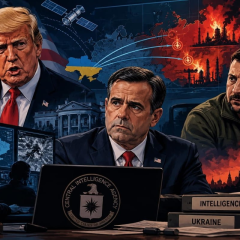
Oil prices surge after Trump rejects Iran's peace proposal

Iran Peace Offer Rejected by Trump
According to Главком: U.S. President Donald Trump dismissed Iran's peace initiative, triggering a spike in global oil prices and rising costs for the United States amid the ongoing conflict. Trump shared his response on Truth Social, describing Tehran's position as
“constructively incapable”
and
“completely unacceptable”
. The rejection sent oil markets into motion: Brent crude jumped 3.5% to $104.80 per barrel, while West Texas Intermediate approached $99.
U.S. Costs and International Developments
Kevin Hassett, director of the U.S. National Economic Council, told Fox News that the country's expenses have increased due to the Iran conflict. He estimated that restoring operations in the Strait of Hormuz could take one to two months. Hassett also predicted that oil prices might drop before the U.S. midterm elections.
In France, Prime Minister Sébastien Lecornu reported that one of five citizens evacuated from Tenerife has shown symptoms of hantavirus. The symptoms were detected during a flight to France, leading to strict quarantine for the entire passenger group.
Other notable headlines include:
- A sharp rise in U.S. reconnaissance activity near Cuba's coastline.
- Iran's ambassador in Beijing stated that China could serve as a guarantor for a deal with the United States.
- Experts argue that the war in Iran has exposed U.S. vulnerabilities in relation to China.
These events continue to shape the international political landscape and near-term economic forecasts.
Trump's dismissal of Iran's peace proposal highlights escalating tensions between Washington and Tehran, with significant consequences for the global oil market. Rising fuel prices could impact the U.S. economy, especially during an election season. Analysts warn that further developments in the region-and the reactions of key players like China-may substantially alter the global political and economic outlook.
As tensions escalate, analysts are closely monitoring the implications of Trump's rejection of Iran's peace initiative. This move not only signals a potential shift in U.S. foreign policy but also raises questions about the possibility of renewed military action. For a deeper understanding of how these developments might lead to further U.S. strikes, read more in our detailed coverage regarding the future of U.S.-Iran relations.

Read also