Trump Urges Muslim Nations to Join the Abraham Accords

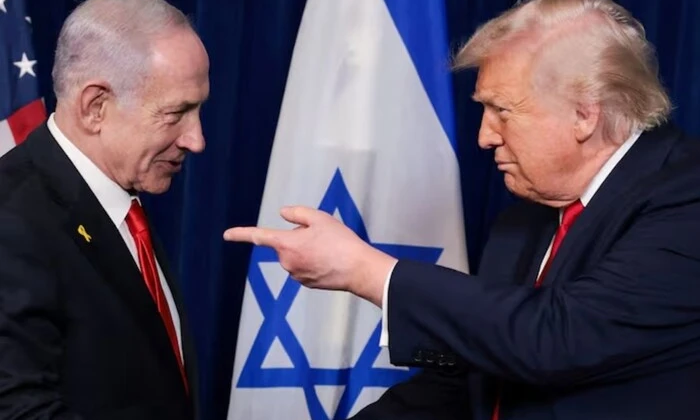
U.S. President Pushes for Expansion of Abraham Accords
According to Главком: U.S. President Donald Trump has called on several Muslim-majority countries to join the Abraham Accords, aiming to leverage a potential deal with Iran to bolster regional security. These accords involve normalizing relations with Israel. Trump specifically addressed:
- Saudi Arabia
- Qatar
- Pakistan
- Turkey
- Egypt
- Jordan
He stated that if Iran agrees to a deal with the United States, it would create an opportunity to bring the country into an unprecedented global coalition.
Diplomatic Talks and Country Responses
On Saturday, Trump held discussions with leaders from the listed nations, including Saudi Arabia, Qatar, Pakistan, Turkey, Egypt, and Jordan. The U.S. president also spoke with representatives from the United Arab Emirates and Bahrain, both of which have already joined the Abraham Accords. However, Pakistan declined to support the initiative.
“I call on all countries to immediately sign the Abraham Accords, and if Iran signs a deal with me as President of the United States of America, I would be honored if they also become part of this unprecedented global coalition.” - Donald Trump
Additionally, the U.S. initiated a series of talks with allies following heightened tensions between Israel and Iran. The Trump administration initially considered launching new strikes against Iranian targets but paused preparations for an attack after consulting with Saudi Arabia, Qatar, and the UAE. Washington has also intensified indirect contacts with Tehran through Pakistan, demanding that Iran transfer its stockpile of highly enriched uranium under international supervision.
So far, none of the other countries have publicly responded to Trump's demand, and a positive reply is considered unlikely given the deep mistrust of Israel in these Muslim-majority nations, fueled by the scale of military operations in Gaza.
This initiative reflects U.S. efforts to strengthen its influence in the Middle East through diplomacy and coalition-building. The Abraham Accords have already reshaped regional dynamics, but as Pakistan's refusal shows, not all countries are ready to normalize ties with Israel, especially amid rising tensions between Israel and Iran. Negotiations with allies and efforts to control Iran's nuclear programs remain key pillars of U.S. foreign policy in this context.
As tensions escalate in the region, the dynamics surrounding Trump's call for Muslim nations to embrace the Abraham Accords are further complicated by Saudi Arabia's influence. Their intervention played a crucial role in the U.S. decision to halt airstrikes on Iran, highlighting the delicate balance of diplomatic relations in the Middle East. To understand the implications of these developments, read more about how Saudi Arabia's request impacted U.S. military actions here.

Read also