A Shift in U.S. Foreign Policy: Trump's New Iran Sanctions and Warming Ties with Russia

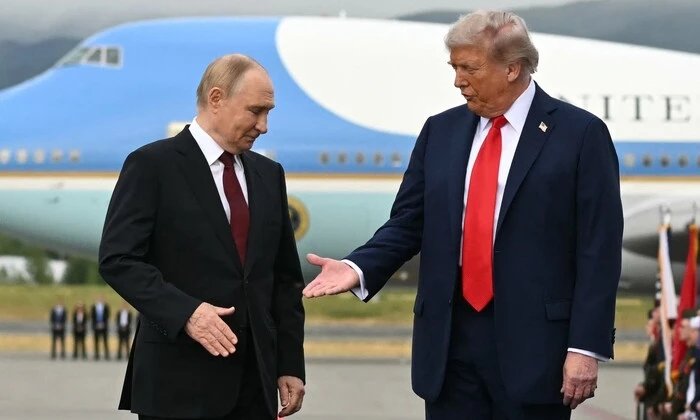
A Shift in U.S. Foreign Policy
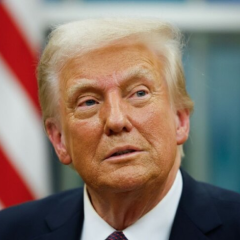
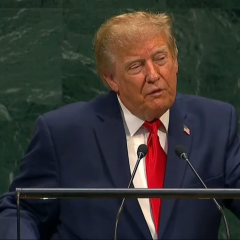
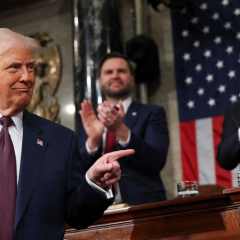
According to Главком: Amidst global energy concerns and ongoing negotiations with China, a potential realignment in U.S. foreign policy toward Russia and Iran is emerging. Former U.S. President Donald Trump recently dismissed allegations that Russia is providing assistance to Iran. This statement, made against a backdrop of rising international tensions, signals a possible shift in Washington's strategic priorities. These developments are being closely watched as they could redefine America's role in a complex geopolitical landscape.
Furthermore, Trump has partially lifted sanctions on Russian oil, suggesting a review of economic restrictions in the context of energy security needs. These moves may form part of a broader strategy aimed at strengthening cooperation with key regional allies, such as Turkey and Azerbaijan. This approach marks a significant departure from previous administrations' postures.
Military Cooperation and Its Implications
The United States has recently demonstrated preparations for a joint ground operation with its allies. This indicates Washington's intent to intensify military collaboration in the region, which could have serious consequences for the geopolitical situation, especially considering the roles of Iran and Russia. Such a buildup often serves as a strategic signal to adversaries and partners alike.
Consequently, both the domestic and foreign policy of the United States regarding Russia and Iran may undergo substantial changes in response to the dynamics of the energy situation and new challenges arising in relations with China. The situation remains under close observation by experts and policymakers, as subsequent steps could establish new trends in international relations.
These events are unfolding against a backdrop of growing global challenges that require the U.S. to adapt its foreign policy. Engagement with China, along with evolving relations with Russia and Iran, could significantly impact regional stability. Washington's future actions may determine not only energy security but also new geopolitical dynamics, necessitating careful monitoring by the international community.

Read also