Cyclone Narelle's Fury: The Science Behind Australia's Red Sky and Widespread Devastation

Cyclone Narelle Strikes Australia
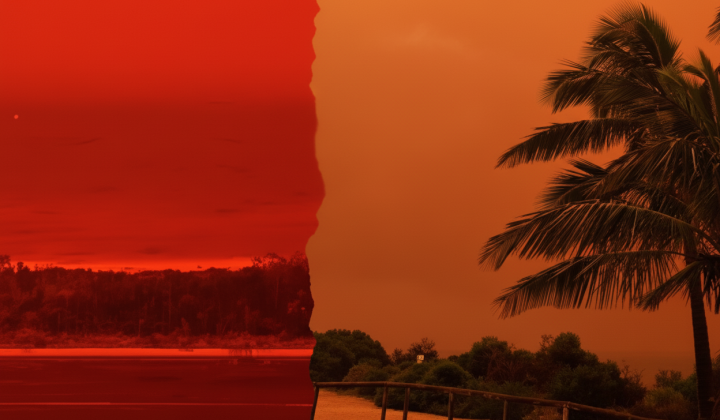
According to Главком: On March 27, 2026, Tropical Cyclone Narelle made landfall on the coast of Western Australia, unleashing wind gusts of up to 250 km/h (155 mph). The powerful storm caused significant infrastructure damage, leading to widespread power and water outages across the region. A striking phenomenon observed during the event was a deep red sky, a result of sunlight scattering through dust and high humidity particles lifted by the cyclone's intense winds.
The cyclone, which had been impacting the far northern areas of Queensland and the Northern Territory in the preceding week, transformed into a major threat for Western Australian residents. Such intense tropical cyclones are a recurring hazard for northern and western Australia, particularly during the late summer and autumn months. The red sky effect, while dramatic, is a known optical occurrence during severe dust storms often associated with these weather systems.
Regional Impact and Ongoing Threats
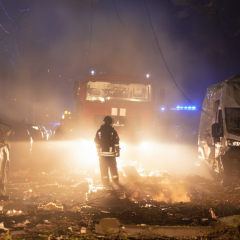
The cyclone's destructive power was compounded by storm surges reaching up to 15 meters (49 feet) near the coast, posing a critical danger to shipping and coastal infrastructure. The local power grid sustained severe damage from downed lines and toppled pylons, leaving a number of towns without electricity. Additionally, the coastal town of Exmouth was completely cut off from its water supply, creating further hardship for residents grappling with the storm's aftermath.
By March 28, the system approached the city of Perth, raising fresh alarm among the population. Authorities urged people to exercise caution and stay informed through official weather updates. The situation remained complex, with emergency services working to address the widespread damage. Cyclone Narelle stands as one of the most powerful natural disasters to hit the region in recent years, causing serious problems for both infrastructure and local communities. In the wake of such events, rapid and effective response from authorities and rescue services is crucial to ensure public safety and restore essential utilities, with continued monitoring of weather conditions remaining vital in the coming days.

Read also