Turkey emerges as a central hub for Russia’s shadow fleet operations

How Turkish shipping firms help bypass Western oil sanctions
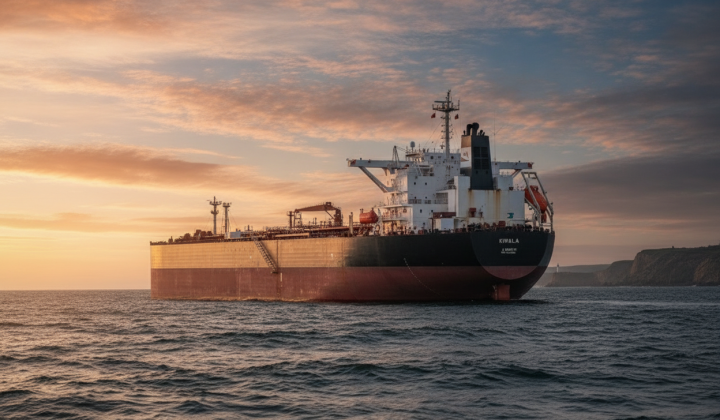
According to Главком: Turkish shipping companies are playing a critical role in enabling Russia to evade Western sanctions on oil exports, positioning Turkey as a major logistics center for Moscow’s so-called shadow fleet. As international restrictions tighten, local firms can legally manage vessels that fall under sanctions imposed by the European Union and the United Kingdom, all without violating Turkish law.
The shipping company EMT Gemi İşletmeciliği AS was placed on the EU sanctions list on June 15. However, because Turkey has not aligned itself with Western sanctions against Russia, a legal gap has emerged. According to a source from Intelligence Online, “This legal asymmetry is exactly what the network exploits, turning Istanbul into a new Russian economic hub where contracts are signed, management is transferred, special-purpose companies are created, and ships change hands in a fully lawful manner.”
New sanctions and their impact
In response, the 21st EU sanctions package targets several sectors, including:
- banking,
- cryptocurrency operators,
- the shadow fleet and energy exports,
- a ban on entry to the EU for former Russian military personnel.
These measures aim to curb Russia’s economic activity on the global stage, but their effectiveness is undermined by countries that do not enforce the restrictions.
The role of Turkish shipping firms highlights the complexity of the global economic landscape under sanctions. By refusing to join Western sanctions, Turkey provides Russia with avenues to sustain its economic operations, potentially undermining international efforts to limit Russian aggression. This situation threatens the cohesion of sanctions policies and calls for new strategies from Western nations to address these legal loopholes.
The evolving dynamics of Turkey's relationship with Russia and NATO have significant implications for global geopolitics. As Turkey navigates its position between these powers, the recent shift in its diplomatic stance raises questions about the long-term impact on sanctions enforcement and regional stability.

Read also