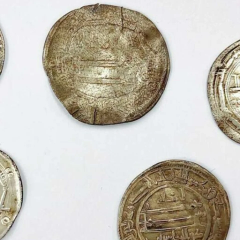
Camel Bones from the 15th–17th Centuries Unearthed at Belgrade Fortress

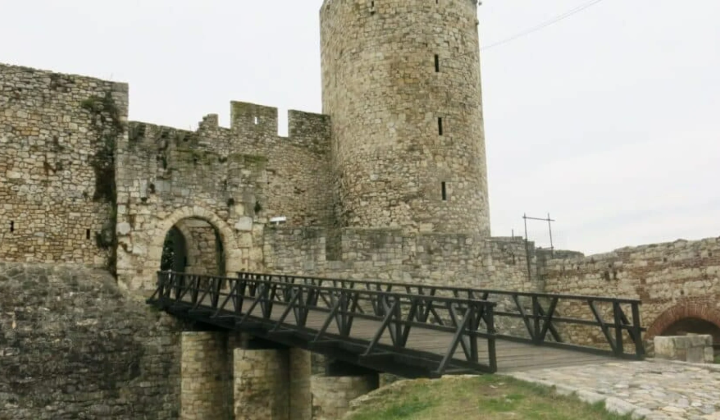
Camel Bone Discovery at Belgrade Fortress
According to НВ — Техно: Archaeologists have uncovered camel bones in late medieval layers at Belgrade Fortress, dating from the 15th to the 17th centuries. This marks the first osteological evidence of camels in the Central and Western Balkans during the medieval period. The find highlights the fortress's role as a key hub within trade, transport, and mobility networks.
The remains were discovered during excavations conducted in front of the Eastern Gate of the Lower Town of Belgrade Fortress. A total of 271 animal bone samples from this historic site were analyzed. In earlier Roman layers (1st–2nd centuries AD), the dominant species were:
- cattle
- sheep
- goats
However, the late medieval layers (15th–17th centuries) also contained remains of:
- sheep
- goats
- cattle
- horses
- camels
Identification of the camel bones was confirmed using collagen peptide mass fingerprinting (ZooMS). This underscores the importance of these findings for understanding the region's history and economic development. Situated at the confluence of the Sava and Danube rivers, Belgrade Fortress occupies one of the most strategic locations in southeastern Europe.
New Avenues for Historical Research
Previously in Serbia, a Roman triumphal arch from the third century was uncovered at the site of Viminacium, located about 70 km east of Belgrade. The new discoveries at Belgrade Fortress open fresh possibilities for studying the history of this region and its connections with other parts of Europe.
This find represents a significant step in researching medieval economy and daily life in the Balkans, as it demonstrates the diversity of animals used in the region. Camels, typically associated with warmer climates, suggest potential trade links with other parts of the world, such as the Middle East or North Africa. Such discoveries could substantially reshape our understanding of cultural and economic exchanges in medieval Europe, as well as the significance of Belgrade Fortress in this context.

Read also