14th-Century Byzantine Gold Signet Ring Bearing Sevastos Maria Skulena’s Name Discovered in Bulgaria

An Exceptional Byzantine Artifact Unearthed
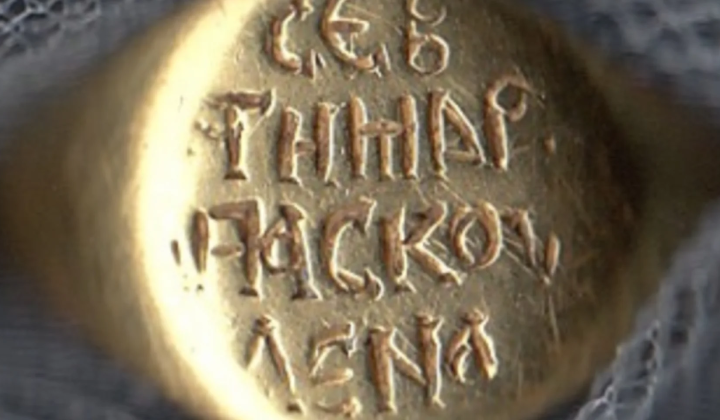
According to НВ — Техно: A remarkable Byzantine gold signet ring from the 14th century has been uncovered in Bulgaria. Found near Zlatograd, in the country’s southern region just a few kilometers from the Greek border, the ring is engraved with the name and title 'Sevastos Maria Skulena,' indicating it belonged to a person of significant social rank. It is believed this ring was owned by the wife of Michael Skules, a general judge of the Romans who held the title 'sevastos' during the 14th century.
The Ring’s Historical Context and Importance
The title 'sevastos' was originally introduced by Byzantine Emperor Alexios Komnenos in the 11th century and by the 14th century had become a title purchasable by regional elite figures. Historical records from the Athonite Lavra mention a member of the Skules family as a landowner in the Aegean Macedonia and Rhodope areas in 1338. Michael Skules, living in 1371, is documented as a general judge of the Romans and a titleholder of 'sevastos.' Maria Skulena is likely to have been his spouse.
The ring was acquired by engineer Alexander Mitushev, who reported the find and handed it over to cultural heritage authorities. It is currently displayed at the Archaeological-Ethnographic Museum in Zlatograd. Excavation leader Professor Nikolay Ovcharov remarked,
“The engraving reveals the owner’s name and rank.”
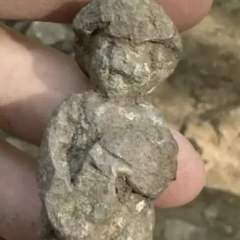
In addition to the ring, archaeologists discovered a 13th-century personal lead seal belonging to Empress Irene at Perperikon, another archaeological site in southern Bulgaria. This seal is connected to correspondence between the Bulgarian Empire and the Byzantine successor state centered in Nicaea. Professor Ovcharov highlighted that
“the Perperikon seal is the only known example found through excavations rather than from old collections.”
Sigillography expert Dimitar Stoymenov verified the inscription, confirming its historical significance. Seals of Empress Irene are also known from collections in Dumbarton Oaks in Washington and the Hermitage Museum in Saint Petersburg.
These discoveries provide valuable insights not only for archaeology but also for understanding Byzantine history and the social hierarchy of the era. The ring and seal shed light on the connections between the Byzantine Empire and the local elite of Bulgaria, offering a clearer picture of the political and social dynamics in this medieval border region. Such artifacts are crucial for piecing together the complex interactions and power structures of the time.

Read also