The EU failed to agree on a €140 billion loan to Ukraine: which country is to blame

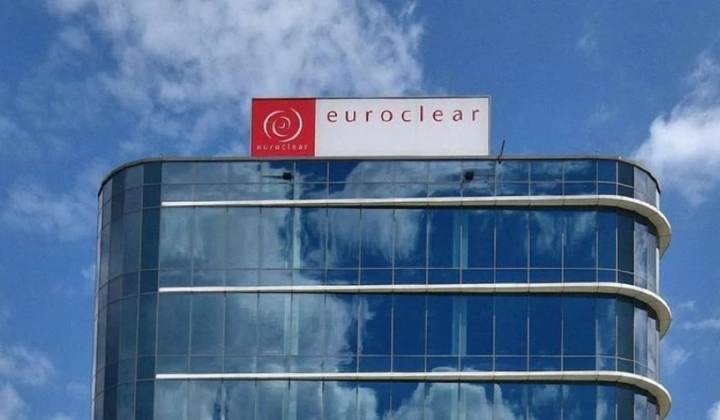
Leaders of the European Union at the summit on October 1 in Copenhagen were unable to make progress on the issue of providing Ukraine with a loan of 140 billion euros from frozen Russian assets. The main obstacle was Belgium's refusal to lift its veto, while France and Luxembourg expressed concerns about potential legal consequences. This was reported by Financial Times.
What is the mechanism for providing a loan to Ukraine from frozen Russian assets
The European Commission proposed a mechanism last summer, according to which the loan to Ukraine would equal the value of the frozen Russian assets stored in the Belgian financial institution Euroclear. The essence of the idea is simple: if Moscow refuses to pay reparations after the war against Ukraine, it will lose its rights to these assets, and the funds will go to the reconstruction of the country.
During a brief discussion at the summit, most leaders agreed on the general principle, but insisted on a deeper analysis of legal and financial risks. According to three officials present at the meeting, this significantly slowed down the process.
Why Belgium vetoed the loan to Ukraine for 140 billion euros
Now the European Commission will have to conduct extensive technical work, so the official legal proposal is unlikely to appear at the next EU leaders' summit in Brussels in three weeks.
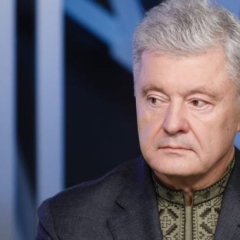
Belgian Prime Minister Bart De Wever, whose country is a key player due to the location of Euroclear, demands a "mutual distribution" of risks among EU countries. He emphasizes the need for enhanced legal protection in case Russia files a lawsuit against Belgium. De Wever clearly opposed the proposal at a closed meeting but avoided comments for the press before or after the discussion.
This pause comes against the backdrop of significant frozen Russian assets that the EU and partners have already begun to use to assist Ukraine. Here are the key figures:
-
Value of Russian sovereign assets blocked in the EU: about 211 billion euros.
-
Total volume of frozen funds from the G7 and Australia: approximately 260 billion euros in the form of securities and cash.
What loans did Ukraine receive in 2025
In October 2024, the EU Council adopted a decision on a loan to Ukraine of up to 35 billion euros – this is the bloc's contribution to the G7 initiative regarding $50 billion (about 45 billion euros), which will be repaid from the profits from these assets. The G7 countries quickly agreed on a plan: the USA will take on $20 billion.
On August 29, the European Commission launched the development of a mechanism to transfer nearly 200 billion euros of Russian assets into a "special purpose holding," supported by the G7. By the end of the year, the EU plans to pay out 18 billion euros from these sources, so the search for new instruments continues.
In turn, the United Kingdom allocated 1 billion pounds from the revenues of frozen assets for the procurement of military aid for Kyiv on September 4.
Earlier, we reported that the EU agreed on a loan for Ukraine of 140 billion euros.

Read also