EU prepares restrictions for Russian oil via Druzhba: what awaits Hungary and Slovakia

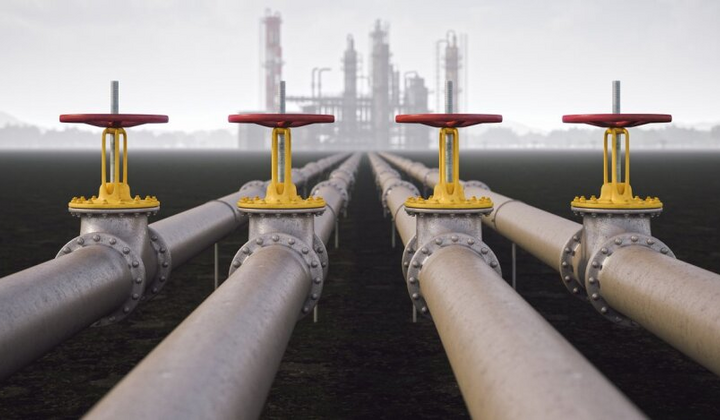
According to hvylya.net: The European Commission is considering changing the conditions for importing Russian oil through the 'Druzhba' pipeline, which runs through Slovakia to Hungary. According to Bloomberg, restrictions may be introduced if both countries do not develop plans to reduce dependence on Russian supplies.
The European Commission is preparing trade measures for countries that continue to import Russian oil
Hungary and Slovakia are the only EU countries that have not yet stopped importing Russian oil, explaining this by the risk to their own energy security. Therefore, the European Commission is working on separate trade measures, distinct from sanctions that have already been implemented.
New restrictions will include a ban on the import of Russian liquefied gas and sanctions against companies that support Russia in trading energy resources. According to sources, the European Union might implement these measures faster, as it requires only a majority vote from member states.
Currently, G7 countries are working on coordinating a new sanctions package, which they plan to complete by the end of September. European measures are aimed at the largest Russian oil companies, transport networks, and vessels that provide the Kremlin with key revenues from energy resource exports.
EU pushes member states to abandon Russian oil
Hungary and Slovakia are the last EU states that continue to import Russian oil. The European Union is preparing to take action if these countries do not define their own strategies to abandon Russian oil. At the same time, the U.S. is also pressuring allies to refrain from purchasing Russian oil.
In the new winds of geopolitical change, the situation with the import of Russian oil into Europe remains at the forefront of global leaders and energy market experts. This also indicates the growing willingness of the EU and its partners to act together in the field of energy and sovereignty.

Read also