Rare Roman Mosaic Featuring a Dolphin Unearthed in France

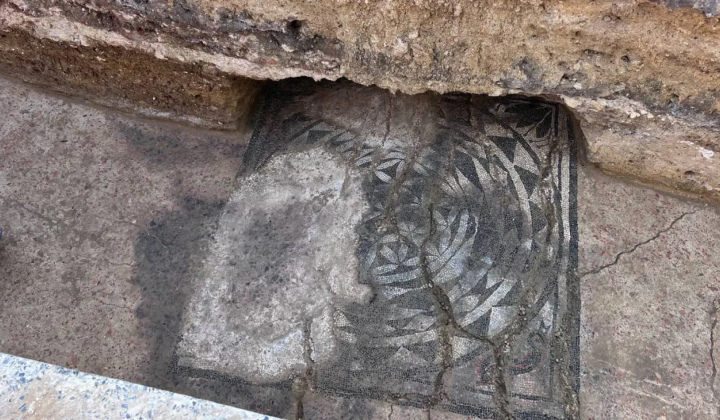
Ancient Roman Mosaic Discovered in Soissons
According to НВ — Техно: In the French city of Soissons, archaeologists have uncovered a Roman mosaic dating back to the late 1st century AD. The find features a square central panel measuring 1.56 meters across, containing a black-and-white circular medallion decorated with interlocking triangles and diamond shapes. At its center, the mosaic depicts a dolphin with red fins-a striking detail that highlights how Roman aesthetic standards had spread throughout the region.
This mosaic belongs to a rare type of mixed flooring and reflects the cultural assimilation of local inhabitants during the Romanization of Soissons. The Saint-Crépin district, where the mosaic was found, was an ancient residential hub between the 1st and 3rd centuries, home to the local elite. City officials are currently evaluating whether to remove the mosaic for preservation. Next steps will focus on extraction, study, and restoration, with the goal of eventually putting the artwork on public display.
Significance of the Discovery
Archaeologists note that 'it is especially interesting to find a marine mammal adorning a mosaic in an inland city like Soissons. Dolphins were a popular motif in Roman art across the empire, and the inclusion of one in this mosaic shows how widespread Roman aesthetic standards had become during the early imperial period.' - Source: archaeologists.
A phase of in-depth analysis is now underway, involving specialists in Roman mosaics, as many scholarly questions remain-particularly regarding the combination of techniques used and the overall layout of the decoration. This discovery underscores the importance of cultural and historical connections between different regions of the Roman Empire.
The uncovering of this ancient Roman mosaic in Soissons is a significant find that not only enriches the archaeological heritage of the area but also illustrates the influence of the Roman Empire on local culture. The mosaic will serve as a key object for further research, potentially shedding light on aspects of life and art during the Roman period, as well as the processes of assimilation between Romans and indigenous populations. A public display of the restored mosaic could become an important element of Soissons’ cultural life in the future.

Read also