Canada Tests a Floating Solar Platform That Withstands Freezing Winters

A Cold-Resistant Floating Solar Station in Canada
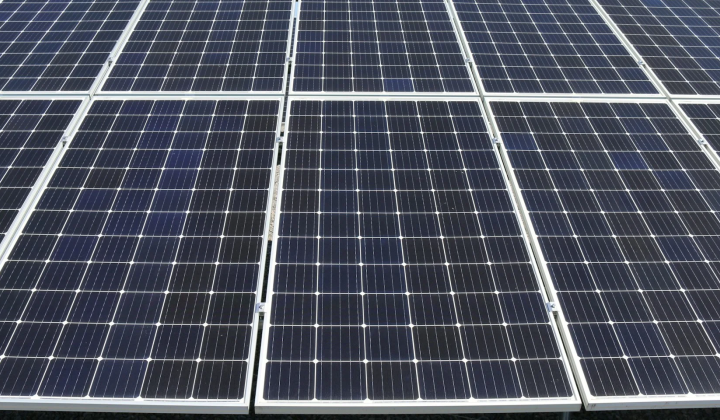
According to НВ — Техно: Engineers in Canada have successfully tested a floating solar power station built on a foam-and-bubble structure that resists freezing temperatures. This innovative aeration system prevents water around the solar panels from icing over, enabling the station to operate efficiently during winter. Over one year of operation, the facility generated 7.7 MWh of electricity-a 2.7% improvement over conventional floating solar systems.
Technical Specifications of the Station
The station employs flexible monocrystalline solar panels attached to thick, waterproof sheets of foam. Beneath the water, an aeration system consumes just 0.02% of the energy produced by the panels. A pump on the shore sends air bubbles from the bottom of the pond, helping to maintain water temperature through the cold months. Still, during winter storms, the system experienced a 14.5% drop in energy output.
The study also found that covering half of a pond in Ontario with these panels could retain roughly 927 cubic meters of water annually for irrigation. Findings were published in the journal Applied Energy.
“The results of this study show that foam-based floating photovoltaic systems are a promising and adaptable platform for renewable energy generation,” the researchers stated.
This project highlights the potential of floating solar stations to deliver electricity in regions where traditional methods struggle due to harsh weather. Innovative renewable energy solutions like this could mark a significant step in combating climate change and boosting energy independence in areas facing severe climatic conditions.

Read also