China to Open Its First Fully Robotic Hotel by 2027

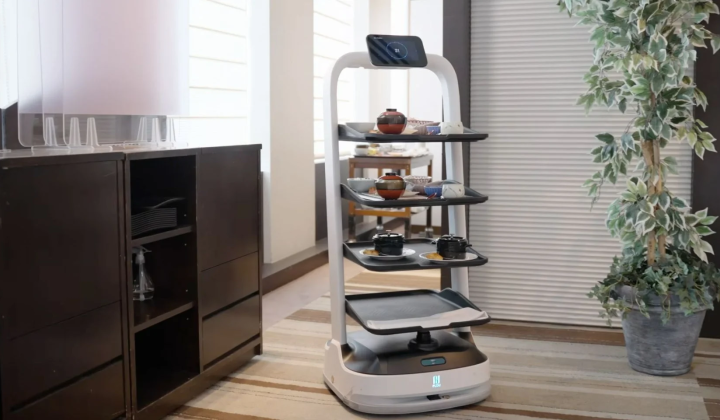
Fully Automated Hotel Coming to Guangdong
According to НВ — Техно: Pudu Robotics has announced plans to build the world's first hotel staffed entirely by robots in Guangdong Province, China. Situated on the West Artificial Island along the Shenzhen-Zhongshan link, the property is set to welcome guests in 2027, with public trials scheduled for late 2026. This initiative draws on Pudu's proven track record of deploying service robots in retail stores, restaurants, and commercial cleaning operations.
What the Robots Will Do
Every major hotel service will be handled by robots, including:
- front desk check-in
- room service
- housekeeping
- food preparation
- guest assistance
During the contract signing ceremony, the company demonstrated several robot models: FlashBot, PUDU T300, PUDU CC1 Pro, PUDU MT1, BellaBot Pro, KettyBot Pro, and PUDU D5. These machines will cover tasks such as delivering meals, cleaning, transporting luggage, and interacting with guests.
The hotel's operations will be powered by Pudu's embodied intelligence foundation model, PuduFM 1.0, along with the PuduAgent platform. The project is being developed in partnership with the Shenzhen Department of Culture and Tourism Development. Pudu co-founder and CTO, Kong Guo, stated:
'This also provides an opportunity to explore new service models where artificial intelligence and robotics work together to deliver an intelligent, comprehensive experience in the real world.' - Kong Guo
West Artificial Island, where the hotel is located, opened in December 2025. This project is expected to mark a major milestone in automated hospitality services and open up fresh avenues for integrating cutting-edge technology into everyday life.
The launch of this automated hotel in Guangdong could significantly reshape service approaches in the hospitality industry, especially as AI technologies gain wider adoption. It may also serve as a blueprint for other regions and countries aiming to modernize their services and embrace innovation. A key aspect of this initiative is its collaboration with local government authorities, highlighting the importance of public-private partnerships in advancing new technologies.

Read also