Silicon Valley Debates Superintelligent AI: Threats to Humanity and Future Opportunities

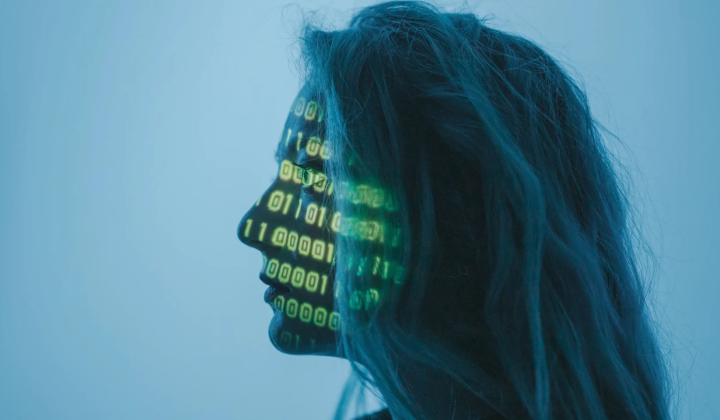
Could AI Replace Humans?
According to НВ — Техно: In Silicon Valley, there is growing concern about the possibility that superintelligent artificial intelligence (AI) could surpass human intellect and pose an existential risk to humanity. These discussions encompass themes like transhumanism, the dangers of AI advancement, and the global competition among nations in this cutting-edge field. Leading investors and scientists hold diverse opinions on how these technologies might reshape our future.
For decades, the idea that AI might eventually exceed human cognitive abilities has gained traction in Silicon Valley. In 1987, American AI and robotics researcher Hans Moravec suggested that machines could become more complex than humans, with human consciousness potentially transferred into software. This perspective highlights the emergence of post-biological entities replacing humans, a central concept within transhumanist philosophy.
While tech executives warn of the risks that superintelligent AI could bring, they also advocate for its continued development. Dario Amodei, CEO of Anthropic, has called for slowing down the creation of advanced AI models, cautioning:
“We need to slow the pace of advanced AI development, but China's leadership in this area could present a serious threat to the US and the world.” - Dario Amodei
Investor Peter Thiel shares his vision, arguing that technology will enable humans to modify their bodies and minds. Meanwhile, Marc Andreessen, in his 'Techno-Optimist Manifesto,' criticizes the focus on existential risks and calls for a more optimistic approach toward technological innovation.
The Intersection of Humanity and Technological Evolution
Entrepreneur Elon Musk supports advancing technologies aimed at ensuring humanity’s long-term survival, with SpaceX working toward making humans a multi-planetary species. Hans Moravec also predicted that future machines might be humanity’s successors, urging that control should be transferred to them when humans can no longer contribute meaningfully to progress.
Philosopher Derek Schiller, in 2017, explored the possibility of creating artificial beings to take the place of humans, underscoring the complexity and ethical ambiguity surrounding humanity’s future role. In 2023, OpenAI CEO Sam Altman suggested that humanity might represent a biological phase on the path toward digital intelligence or a fusion of biological and digital life forms.
These ongoing debates in Silicon Valley reveal increasing unease within the scientific community about AI’s trajectory and its potential impact on human destiny.
The conversations extend beyond technical challenges to embrace ethical and societal dilemmas triggered by AI’s rapid growth. Scientists and entrepreneurs strive to balance innovation with safety, highlighting the crucial need for interdisciplinary collaboration in addressing the consequences of technological progress. The outcomes of these discussions may well shape not only the advancement of AI but also the core values that define humanity in an era dominated by intelligent machines.
As concerns about the implications of advanced AI grow, experts emphasize the potential risks of losing control over these powerful technologies. This aligns with the warnings from OpenAI researchers regarding the challenges of managing ultra-intelligent systems effectively. For a deeper understanding of these critical issues and their impact on our future, explore more in our article on the risks of losing control over ultra-powerful AI.

Read also