Russian-Recruited College Student Killed in Occupied Luhansk

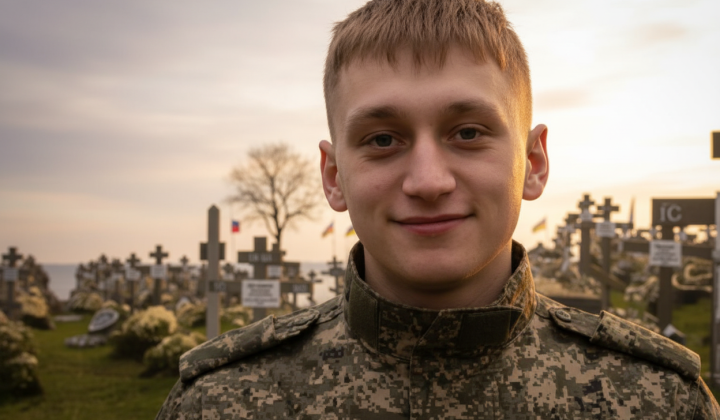
Death of Student Valery Averin in Luhansk
According to Главком: A 23-year-old student, Valery Averin, has been eliminated in the temporarily occupied city of Luhansk after being recruited to fight against Ukraine as part of a Russian Defense Ministry campaign targeting universities and colleges. This marks the first confirmed death of such a student. Averin was in his final year at the Buryat Republican Technical College of Construction and Industrial Technologies, where recruitment events promoting contract military service were held.
Valery signed his service contract on January 3, and his training as a drone operator was scheduled to conclude by March 24. He died on April 6, just three months into his service. He last contacted his mother on April 2. According to military command, the cause of death was a mortar attack. The specific unit where Averin served remains unknown.
Family Reaction and Student Recruitment Context
Valery's adoptive mother, Oksana Afanasyeva, shared her grief, stating:
“The child trained on drones for three months, and they sent him into an assault, into a real meat grinder, even though he had never served in the army. He really wanted to serve, but the army didn't take him, saying he was mentally unstable. He deceived me, told me he was going to earn money at Wildberries. And when I found out he had signed the contract, I almost went crazy.” - Oksana Afanasyeva
The campaign pressuring students into contract service has been ongoing since December 2022. Contract terms include one year of service with the option of academic leave and a return to studies after serving as a drone operator. According to Oksana Afanasyeva, another student recruited from the same college has also died, though this information has not yet been independently confirmed.
This incident highlights the severe consequences of Russia's student recruitment drive for military operations. The death of Valery Averin could spark renewed debate over the ethics of coercive service and the safety of young people pressured into signing military contracts. Given the potential for further student casualties, the situation may intensify public outcry and criticism from relatives and activists.

Read also