Russian Prisoners of War in Ukraine Shift from Men Over 40 to 18-Year-Olds

Changing Demographics Among Russian POWs in Ukraine
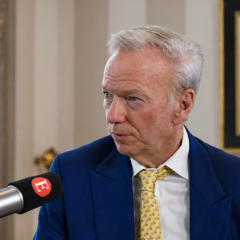
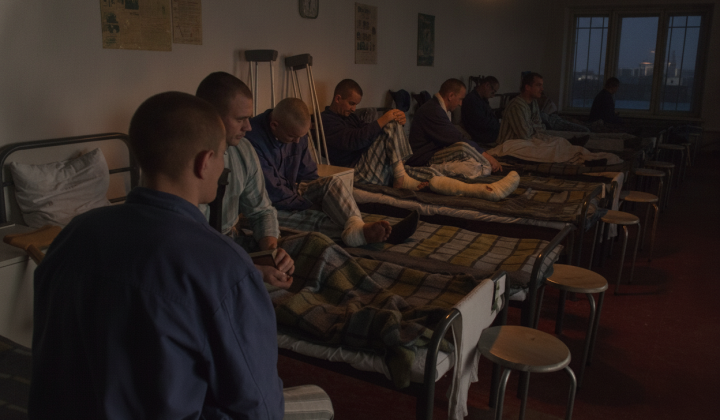
According to Главком: Ukrainian forces are now capturing a growing number of Russian soldiers aged 18 to 21, replacing the earlier trend of prisoners being mostly men over 40. According to Petro Yatsenko, spokesperson for the Coordination Headquarters for the Treatment of Prisoners of War under the Main Intelligence Directorate of Ukraine's Ministry of Defense, young Russians are being forced into military service through intimidation and blackmail. 'Previously, there were many people over 40,' Yatsenko said. 'But now that pool is drying up. The Russian authorities are now recruiting young people. We're seeing 18-year-olds, 19-20 year olds, 21.' He added that these young recruits 'are often caught for minor offenses, then intimidated and threatened with maximum prison sentences.' Many never even saw a courtroom; they were pressured into signing contracts and sent straight to the front lines.
This shift in prisoner demographics highlights Russia's growing difficulty in replenishing its military ranks and the coercive tactics used to force young people into combat. It also provides Ukrainian intelligence with fresh data on the evolving composition of enemy forces during wartime.
Stories of Captured Soldiers
Among the recent POWs is 20-year-old Alexander, a member of the Dolgan people, an indigenous Turkic group from Russia's far north. Alexander hid from Ukrainian Armed Forces in a barrel for two weeks and lost over 30 kilograms (66 pounds) during his ordeal. Another captive is Major Timur Abdurakhmanov, who has been in Ukrainian custody for 22 months. Known by the call sign 'Shaman,' Abdurakhmanov was the former commander of the 'Alga' battalion of the 72nd Separate Motorized Rifle Brigade. He was captured on September 12, 2023, near Andriivka in Donetsk Oblast by fighters from the 3rd Separate Assault Brigade of the Ukrainian Armed Forces.
Also mentioned is Sergei Dracyevsky, a PhD in economics from Saint Petersburg who holds four higher education degrees, including an MBA from the United Kingdom. Dracyevsky ended up in captivity due to household debts and a loan for a BMW X6. This information was sourced from 'Glavcom' and interviews with 'Novynarnia.'
These cases illustrate the broader challenges facing the Russian military, including declining social status and economic pressures that drive young people into service. For Ukraine, tracking these trends offers critical insights into the enemy's manpower issues and recruitment methods.
The trend of coerced military service among young Russians is not isolated. Similar cases are emerging, such as the recent incident involving five female students who were forcibly recruited at a technical college in Russia. This alarming practice sheds light on the broader issue of recruitment tactics used by the Russian government. For more details on this troubling phenomenon, visit the story of forced recruitment in Russian colleges.

Read also