Medieval Burial with a Knife Under the Deceased’s Neck Unearthed in Poland

Archaeological Discoveries in Dąbrówno
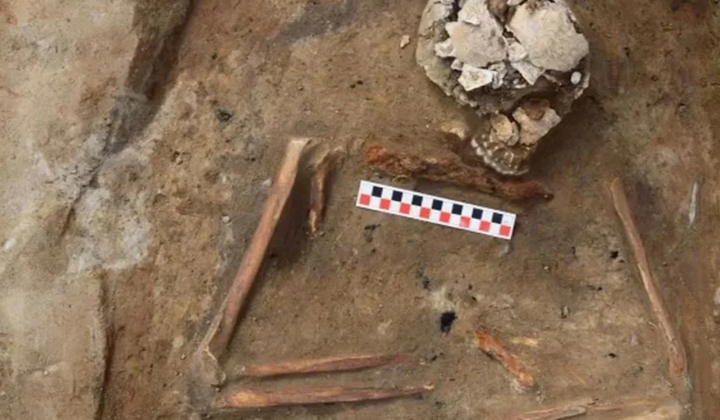
According to НВ — Техно: In the Polish town of Dąbrówno, a burial ground from the 14th and 15th centuries has revealed an unusual grave where a knife was placed beneath the neck of the deceased. Excavations are being carried out by a team from the University of Gdańsk, which has confirmed the existence of a medieval settlement and uncovered a cemetery believed to hold the graves of the area’s earliest inhabitants, including native Prussian residents. Project lead Dr. Arkadiusz Koperkiewicz reports that the burial site has been partially damaged by centuries of plowing.
Examining the Burials and Their Significance
Archaeologists suspect that the cemetery marks the former location of a wooden church, which was destroyed during the Teutonic-Polish conflicts of 1414. In the graves, bodies were arranged from east to west with hands folded over the chest or pelvis. During the dig, the team found:
- knives
- flints
- belt buckles
- coins dating to the first half of the 14th century
In one particular burial, a large iron knife was discovered under the neck of the deceased with its blade facing upward, along with a nail removed from the chest area. A large piece of a ceramic vessel was also found above the pelvis.
Dr. Koperkiewicz warns against jumping to sensational conclusions about anti-vampire practices potentially linked to this burial.
He notes that placing broken pottery in graves may have symbolized the fragility of human life and the vanity of worldly existence in the face of God. However, the researcher admits he is not convinced by this interpretation. He believes that local Prussian communities may have preserved certain traditional customs, but this does not necessarily point to pagan rituals or a fear of vampires. Dr. Koperkiewicz also emphasizes that it is difficult to imagine someone considered evil being buried in a church cemetery, as such grounds were highly protected, and any desecration would have required re-consecration.
The discovery of a burial with a knife under the neck in the ancient cemetery at Dąbrówno opens new avenues for studying medieval archaeology in Poland. It may also shed light on the religious and cultural practices of the native Prussian population, who could have maintained certain traditions even under Christian influence. Further research could help better understand the unique aspects of their worldview and burial rituals, underscoring the importance of such archaeological finds for exploring the region’s history and culture.
In addition to the intriguing findings in Dąbrówno, recent excavations in Sweden have uncovered a remarkable trove of artifacts, including hundreds of glass beads from graves dating back to the 7th and 8th centuries. These discoveries highlight the rich tapestry of burial practices across different regions during the medieval period. To explore the significance of these ancient artifacts and their implications for our understanding of historical cultures, read more about the Swedish excavation findings.

Read also