Russia Now Has More Tanks Than Before Its Invasion, Despite Heavy Losses

The State of Russia's Tank Fleet
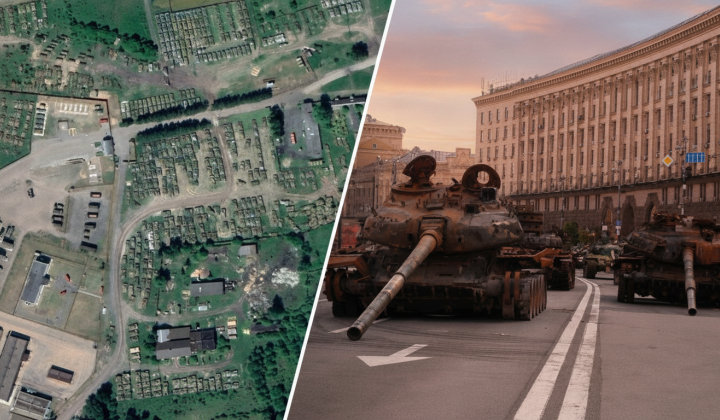
According to ХВИЛЯ: According to analyst Jompy from fronts.co, Russia hasn't run out of tanks-instead, it has emptied Soviet-era storage depots and ramped up production of new vehicles. He suggests that Russia's current tank fleet is likely larger than it was before the invasion of Ukraine, though the quality of the equipment has dropped significantly. The war has depleted Soviet-era armored reserves, a key factor shifting battlefield capabilities.
After the Soviet Union collapsed, Moscow inherited tens of thousands of tanks. By 2022, Russia had around 3,000 tanks in active units, with up to 8,500 in storage, plus approximately 20,000 infantry fighting vehicles and armored personnel carriers. Data from WarSpotting shows Russia has lost 3,704 tanks, including 1,304 destroyed in 2022. In the first four months of the invasion, 669 tanks were eliminated. Overall, the Russian military has lost more than 21,500 units of heavy equipment.
Deployment of Older Models and Production of New Tanks
By summer 2023, Russia began deploying T-54/55 tanks, which are archaic models. By the end of 2024, Russia will have about 14,000 units of equipment remaining in storage. In 2025, Russia produced roughly 200–250 new T-90M tanks and restored another 2,000–3,000 vehicles from storage. T-90M production increased from 60–70 units in 2022 to hundreds.
Factories like Uralvagonzavod, Omsktransmash, Kurganmashzavod, and others have boosted tank output. Still, Jompy argues that rumors of the death of Russian armor are greatly exaggerated. He adds that
“a lot of metal, but little meat”
reflects how tanks now appear on the battlefield less frequently, in groups of two or three, or are converted into 'turtle tanks.'
The phrase 'Russia has run out of tanks' has been repeated since February 2022 so often that it became a mantra. Initially, T-72Bs, T-80BVs, and occasional T-90s were pulled from storage, but in wartime conditions, large mechanized columns gave way to infantry infiltration by small groups. The key takeaway from the current situation is that this is the last major war fought with Soviet-era armor.
Russia's tank fleet situation highlights how the military is adapting to modern warfare, where equipment quality is becoming critical. Restoring and producing new models reflects attempts to maintain combat capability, but relying on Soviet-era hardware may signal limits in innovation and technological progress. Thus, how the conflict unfolds may depend on Russia's ability to adapt its army to new warfare conditions.
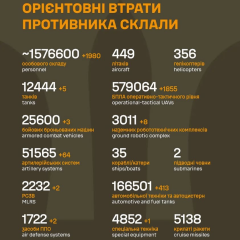
As the conflict continues, the toll on Russian forces remains significant. Recent reports indicate that over 1,400 troops and numerous vehicles were lost in just one day, highlighting the ongoing challenges faced by the Russian military despite their tank production efforts. This situation underscores the evolving dynamics on the battlefield and the impact of sustained losses on military strategy.

Read also