Serbia Holds Early Parliamentary Elections Amid Clash Between Vučić and Student Activists

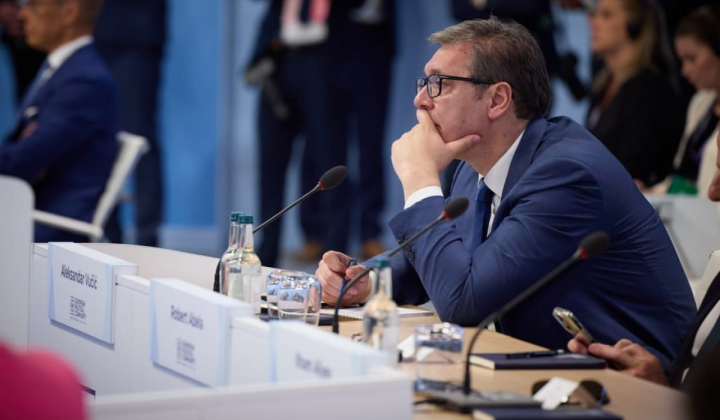
Early Parliamentary Elections Underway in Serbia
According to 5 канал: Serbia has launched its early parliamentary elections, marking a pivotal contest between the Serbian Progressive Party, led by former President Aleksandar Vučić, and a rising student movement. The vote is taking place across more than 8,000 polling stations, engaging nearly 6.5 million eligible voters within the country, alongside over 100,000 Serbs registered to vote abroad. These elections follow Vučić's resignation in late September 2026, a move prompted by prolonged anti-government protests sparked by a tragic incident in Novi Sad and allegations of corruption.
Key Details About the Election Process
Eighteen electoral lists are competing in this election, with the main rivalry between Vučić's Serbian Progressive Party and the Student List. Polling stations opened at 7 a.m. and will remain operational until 8 p.m. The high turnout potential reflects a politically engaged population eager to influence Serbia's future direction.
The snap elections were called earlier in September 2026 amid escalating political tensions nationwide. Protests intensified following a deadly collapse of a canopy at Novi Sad's railway station, which claimed at least 14 lives. Demonstrators also voiced strong opposition to corruption allegations tied to infrastructure projects involving Chinese companies.
Aleksandar Vučić remarked, 'Students, who remain the driving force behind the protests, are pawns in the hands of politicians.'
He further noted that 'they refused to engage with their president,' highlighting deep divisions within Serbian society. These elections have attracted significant attention both domestically and internationally, as their outcome could shape the political landscape and stability of the wider region.
This electoral event represents a crucial turning point for Serbia, with implications that extend beyond politics to regional stability. Occurring amid rising social unrest and active youth involvement, the results will serve as a barometer of public trust in emerging political actors and influence the trajectory of future reforms.
As the political landscape in Serbia shifts, the recent decision by President Vučić to resign has set the stage for these early elections. This pivotal moment not only reflects the growing discontent among citizens but also highlights the increasing influence of the student movement in demanding governmental accountability and reform.

Read also