Drone Strike on Samara Refinery Halts Fuel Production for Russian Military

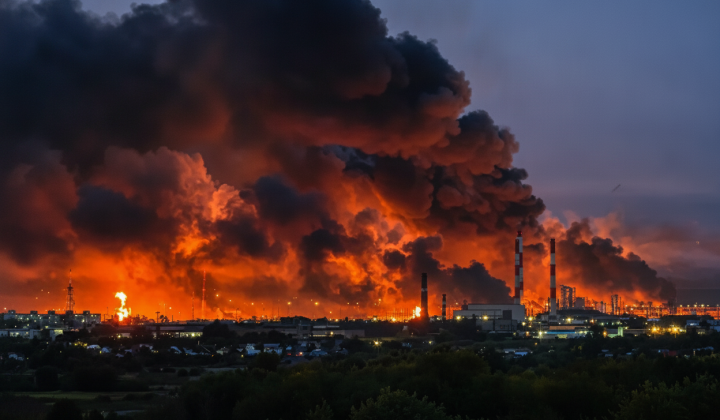
Kuibyshev Oil Refinery Shuts Down After Attack
According to Главком: Rosneft's Kuibyshev oil refinery in Samara stopped processing crude oil following a drone attack on the night of June 10. This facility plays a critical role in producing aviation fuel, diesel, and gasoline, which are used to supply the Russian army. The strike damaged both primary crude distillation units-CDU-4 and CDU-5-which have a combined capacity of approximately 10,000 tonnes, or 73,000 barrels per day. The incident highlights the vulnerability of Russia's energy infrastructure to precision strikes.
The shutdown was caused by equipment damage and resulting fires. Samara Oblast Governor Vyacheslav Fedorishchev confirmed the drone attack on the region during the night leading into Wednesday. As of publication, Rosneft had not commented on the consequences. According to Ukraine's Special Operations Forces, the refinery has an annual processing capacity of around 7 million tonnes of crude oil.
Impact on the Refining Sector
The Kuibyshev refinery is part of the Samara refining hub, which also includes the Novokuibyshevsk and Syzran plants. The Syzran refinery has not resumed operations since a May 21 attack, while the Novokuibyshevsk facility, hit in April, is still running below full capacity. Previous strikes in the Samara region have targeted oil infrastructure, including an April drone attack on the Novokuibyshevsk refinery and the Gorky oil pumping station.
In 2024, the Kuibyshev plant processed 4.7 million tonnes of crude oil, equivalent to 94,400 barrels per day. From this volume, it produced:
- 800,000 tonnes of gasoline,
- 1.4 million tonnes of diesel fuel,
- 1.3 million tonnes of fuel oil.
The refinery's output is directly supplied to the Russian military, underscoring its strategic importance for wartime operations. The entire Samara oil hub is now under pressure, threatening fuel supplies for various modes of transport.
The halt at the Kuibyshev refinery carries major implications, as the facility is a key supplier of fuel for Russia's armed forces. This event underscores the effectiveness of drone strikes in disrupting military logistics and supply chains. In the context of the ongoing war, such disruptions could alter the course of operations, demonstrating the growing role of advanced technology in targeting critical military infrastructure.
The recent drone strike on the Kuibyshev refinery is not an isolated incident; it follows a series of attacks on oil infrastructure in the region. For instance, the Syzran refinery was also targeted, resulting in casualties and further highlighting the ongoing threats to Russia's energy sector. Understanding these developments sheds light on the broader implications for the country's military logistics and energy stability.

Read also