Hungary Braces for Power Shift: Szijjártó Heads to Parliament, Orbán Steps Down

Political Transformation in Hungary
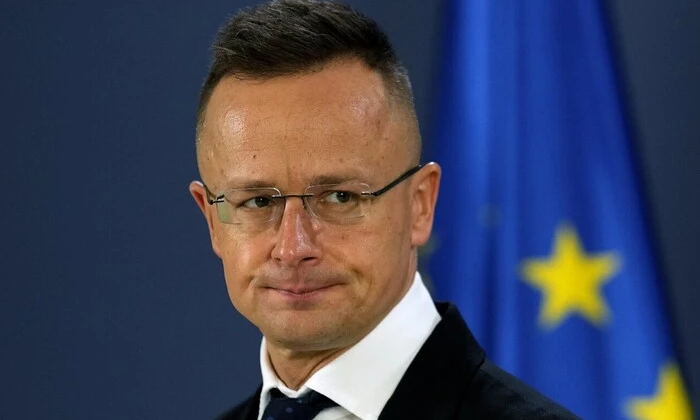
According to Главком: Hungary’s Foreign Minister Péter Szijjártó is set to take a seat in the new parliament as a member of the Fidesz party, which, in coalition with the Christian Democratic People’s Party (KDNP), secured 52 seats. The Tisza Party won a landslide victory in the parliamentary elections held on April 12, capturing 138 of the 199 seats. Tisza’s leader, Péter Magyar, will be sworn in as prime minister on May 9.
Following the election, current Prime Minister Viktor Orbán is resigning and forgoing his parliamentary mandate, though he intends to remain as head of the Fidesz party. Gergely Gulyás has been appointed as the new leader of the Fidesz faction, stating that
“the party’s task is to build a normal opposition in the Hungarian parliament” – Gergely Gulyás
and that “they will fight against arbitrary decisions by the ruling party.”
Impact of the New Coalition on Hungarian Politics
This leadership change in Hungary is expected to reshape the country’s political landscape, particularly in domestic and foreign policy directions. With a constitutional majority, the Tisza Party can push through its initiatives with minimal obstruction, which could influence Hungary’s political stability in the near future.
It remains to be seen how the new coalition will tackle the nation’s challenges and what shifts will emerge in Hungarian public life.
The recent shift in Hungary's political dynamics raises questions about the future direction of governance. As the Tisza Party prepares to implement its agenda, understanding the implications of this transition is crucial. For a deeper analysis of the evolving political scene, including insights on how these changes may affect the nation, check out our coverage on Hungary's political landscape.

Read also