Hungary to Reassess $12.5 Billion Nuclear Deal with Rosatom

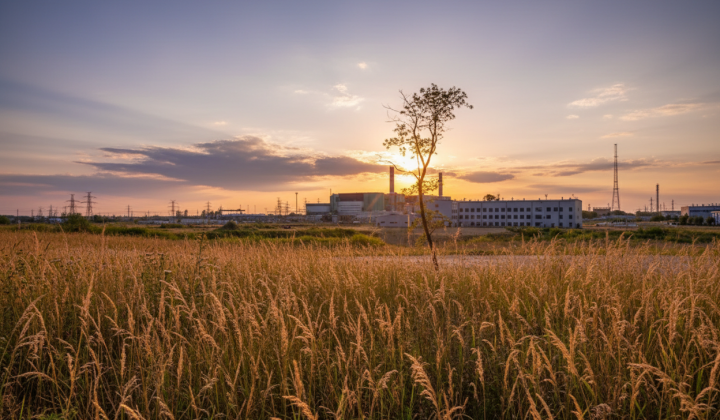
Review of Paks II Nuclear Plant Financing
According to Главком: Hungary's newly formed government plans to revisit the funding and execution of the Paks II nuclear power plant expansion, a project led by Russia's state-owned Rosatom. István Kapitány, the nominee for Minister of Economy and Energy, has signaled his intention to scrutinize the terms of the deal, particularly its financial structure and overall costs. This development follows earlier remarks by Prime Minister Péter Magyar, who raised concerns about possible cost overruns, casting doubt on the project's transparency.
We need a clear and transparent nuclear strategy. We must review the financing, the expenses tied to Paks II, and the conditions under which it is being carried out. These are classified contracts we have never seen-we need to examine them closely.
István Kapitány
The contract, valued at €12.5 billion, was signed in 2014 without a competitive tender, and the project has faced repeated delays over the years. Rosatom has stated its readiness to justify the project's price, a crucial step as questions about its execution continue to mount.
Parliamentary Shifts and Their Impact on the Project
On May 9, the first session of Hungary's newly elected parliament convened, where the opposition Tisza Party, led by Péter Magyar, secured an absolute majority with 141 out of 199 seats-a stark contrast to the previous assembly where the party had no representation. This parliament was formed following elections held on April 12. The change in government and legislative makeup could significantly alter the trajectory of the Paks II expansion.
The decision to reassess the Paks II project signals a shift in Hungary's approach to energy policy, particularly in the nuclear sector. The ongoing scrutiny of the deal may serve as a key test for the new leadership, which aims to promote transparency and efficiency in funding strategic initiatives. It could also reshape Hungary’s energy relationship with Russia, influencing future collaboration and reducing dependency on Moscow-driven projects.
As Hungary's government embarks on a comprehensive reassessment of its energy policies, the newly appointed Prime Minister, Péter Magyar, has also outlined a broader reform agenda that includes key initiatives such as EU fund recovery and a shift in foreign policy. Understanding these changes is crucial, as they may influence not only the nuclear sector but also the overall economic landscape in Hungary. For more insights into the Prime Minister's proposed reforms and their potential implications, read about the new reform agenda.

Read also