Mixed Plastic Waste Converted Into 90% Pure Hydrogen by Scientists

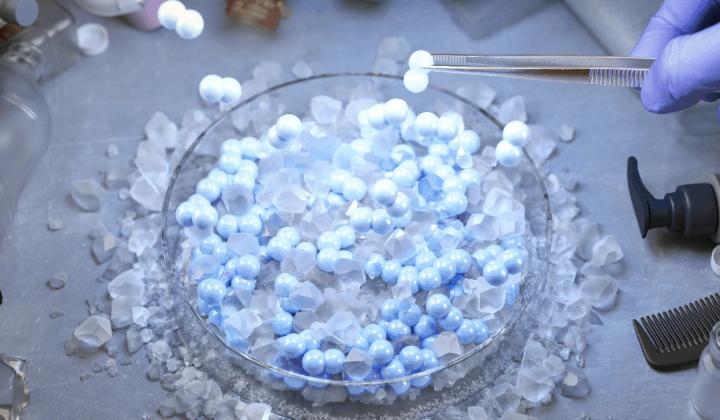
Breakthrough Technique Turns Plastics Into Hydrogen Fuel
According to НВ — Техно: A team of researchers from the University of California, Los Angeles (UCLA) and Ewha Womans University has unveiled a novel method for converting unsorted plastics-such as PET, polyethylene (PE), and polypropylene (PP)-into hydrogen fuel with a purity exceeding 90%. Announced on July 16, this process uses alkaline thermal treatment at lower temperatures than conventional gasification, while also capturing carbon in the form of a solid mineral, calcium carbonate. Globally, only 9% of discarded plastic is recycled, with 79% ending up in landfills and 12% being incinerated, releasing CO₂. This innovation could help transform plastic waste into a valuable energy resource.
The technique relies on sodium hydroxide, which reacts with organic materials under heat to release hydrogen. Initially developed by researchers Alissa Park and Woo-Jae Kim to extract hydrogen from algae, the method was adapted for plastics. During testing, PET released hydrogen immediately, while polyethylene and polypropylene initially showed little reaction due to their carbon-hydrogen bonds. To trigger the process, the team briefly heated these plastics in air.
How the Plastic Conversion Works
- PET releases hydrogen directly during the reaction,
- polyethylene and polypropylene required a short air-heating step to activate.
Results show that over 75% of the carbon remains trapped as stable carbonate or liquid residue, while less than 13% turns into gas. The sodium carbonate produced is then converted into calcium carbonate, reducing atmospheric CO₂ emissions.
'Plastic waste is accumulating at alarming rates, and clean hydrogen is needed to decarbonize the energy sector. This technology tackles both challenges in a creative and scalable way,' said Alissa Park.
Woo-Jae Kim added: 'By lowering the costs of sorting, this technology has the potential to become a cornerstone for hydrogen and circular economies.' The findings were published in the journal Proceedings of the National Academy of Sciences.
This new method for converting plastic into hydrogen fuel could significantly impact the global plastic waste crisis, reducing landfill accumulation while providing a clean energy source. As demand for renewable energy grows, such innovations represent a critical step toward sustainable development and lower greenhouse gas emissions. Advancing these technologies could accelerate the shift to a circular economy, where waste is repurposed as a resource for new production cycles.
As researchers continue to explore innovative ways to address waste management, a recent breakthrough in converting coffee grounds into high-quality anthracite within just 90 seconds showcases the potential of alternative materials in energy production. This technique not only emphasizes the versatility of waste transformation but also highlights the urgent need for sustainable solutions in our energy systems. For more on this remarkable advancement, visit how Korean scientists are revolutionizing waste-to-energy processes.

Read also