Hungary and Russia Sign 12-Point Cooperation Pact, Defying EU Sanctions

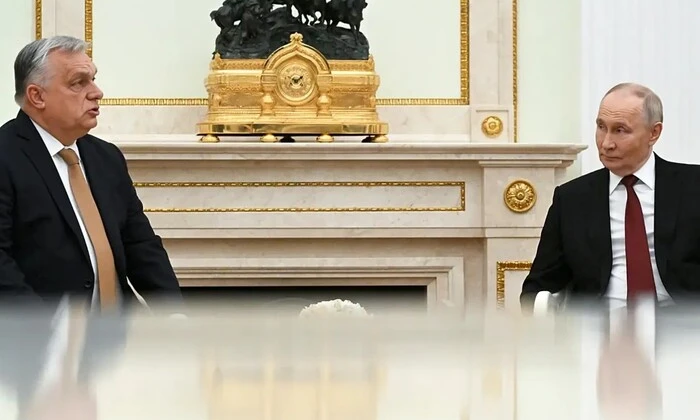
Hungary-Russia Agreement Signed
According to Главком: Hungary's government has entered into a new cooperation agreement with Russia, aiming to expand economic, trade, energy, and cultural ties. The 12-point plan was signed on April 12 by Hungarian Foreign Minister Péter Szijjártó and Russian Health Minister Mikhail Murashko. This move comes as Hungary, a member of the European Union and NATO, continues to pursue a foreign policy distinct from many of its Western allies. The agreement was developed against the backdrop of shifting trade dynamics following EU sanctions imposed on Russia in response to its war in Ukraine.
Key Aspects of the Deal
The signed pact opens the door for Russian companies to implement new projects in Hungary's electric power and hydrogen energy sectors. It also outlines cooperation in oil, gas, and nuclear fuel. Budapest has further agreed to consider enhancing Russian language teaching by bringing in educators from Russia.
The agreement includes provisions for:
- Strengthening the mutual recognition of professional qualifications
- Opening exchange programs for postgraduate students
- Supporting ongoing exchange programs across all fields, from sports to circus arts
Both sides confirmed their interest in an action plan for 2026–2027 regarding sports cooperation. In a phone call with Vladimir Putin in October 2025, Hungarian Prime Minister Viktor Orbán stated his readiness to make every effort to assist him.
Péter Szijjártó remarked that 'Hungary's bilateral cooperation is guided by national interests, not by pressure from extremely biased liberal media. Keep up your biased work!'
Simultaneously, Orbán has demanded that EU leadership abandon sanctions against Moscow and fully resume purchasing energy resources. Parliamentary elections are also scheduled in Hungary for April 12, featuring the ruling Fidesz party led by Viktor Orbán and the opposition Tisza party, headed by Péter Magyar.
This agreement underscores Hungary's drive to fortify its economic and cultural links with Russia, despite international pressure and sanctions. It could have significant implications for the country's political landscape, especially ahead of the parliamentary elections. Political forces advocating for stronger ties with Moscow may gain support among voters seeking stability amid regional economic uncertainty and crisis.
As Hungary strengthens its ties with Russia, the geopolitical landscape continues to evolve, prompting significant discussions about the region's future. In this context, the recent proposal by Prime Minister Viktor Orbán to host a summit in Budapest focusing on the ongoing conflict in Ukraine highlights Hungary's strategic positioning. For more insights into this development, explore how Budapest's role in international diplomacy is shaping the narrative around the war in the region.

Read also