Hungary’s Exit of Orban’s Government Removes Key Barrier to Ukraine’s EU Membership

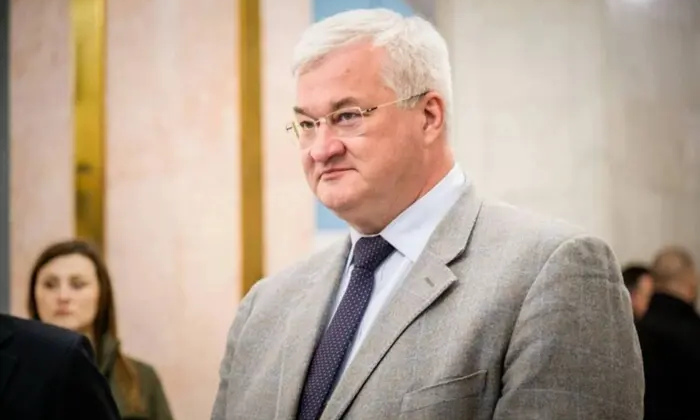
Statement from Ukraine’s Foreign Minister
According to Главком: Ukraine’s Foreign Minister Andrii Sybiha announced that the political obstacle to Ukraine’s European Union membership, previously posed by Hungary’s former government under Viktor Orban, has been cleared following Hungary’s parliamentary elections. During a meeting with Hungary’s new Foreign Minister Anita Orban, Sybiha underscored the significance of this development for future cooperation between Ukraine and the EU.
“We believe that the main political hurdle, represented by the Orban government, has been removed after the elections in Hungary. We have now reached a point where diplomacy can and must do its work. And I truly believe in that,”
Andrii Sybiha
He also stressed Ukraine’s goal of opening all six negotiation clusters by June. “Our position is firm: the clusters must be formally opened in June. We have the support of our European partners, I believe. It is crucial that this happens-not just for Ukraine, but for Europe’s interests as well,” the minister added.
Diplomatic Push Intensifies
Notably, Ukrainian President Volodymyr Zelenskyy also held talks with European Council President António Costa. This reflects Ukraine’s stepped-up diplomatic efforts toward European integration amid the new political landscape in Hungary.
The removal of Hungary’s political barriers opens fresh opportunities for Ukraine in its EU accession process, potentially strengthening economic and political ties with the bloc. The intensified diplomacy at all levels, including dialogues with European leaders, signals Ukraine’s serious commitment to joining the European community. Sustained support throughout the negotiation stages will be key, which could in turn enhance regional stability and development.
This political shift in Hungary not only facilitates Ukraine's EU ambitions but also paves the way for expert discussions aimed at resuming EU accession talks. As Ukraine intensifies its diplomatic outreach, these consultations could be crucial for unlocking further negotiation clusters and solidifying partnerships within Europe.

Read also