How the Druzhba Pipeline Shifted Hungary and Slovakia’s Stance on Ukraine Aid and Sanctions

Hungary and Slovakia Reverse Course on Ukraine
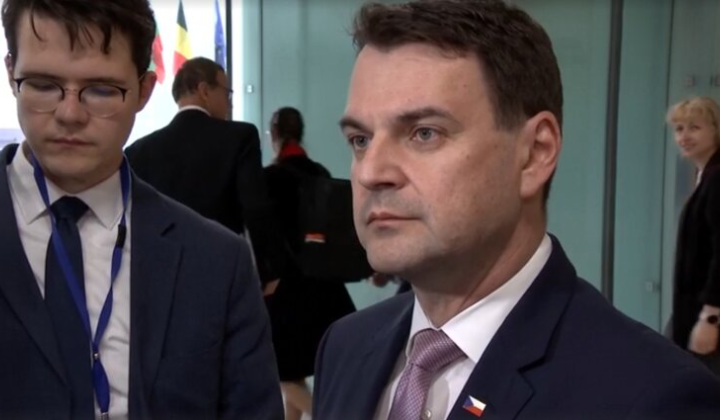
According to ХВИЛЯ: Following the resumption of oil flows through the Druzhba pipeline, both Hungary and Slovakia have dropped their opposition to a €90 billion loan for Ukraine and a new round of sanctions against Russia. Czech Foreign Minister Petr Fiala confirmed the shift, stating that Budapest and Bratislava are now ready to back both the financial assistance package and the punitive measures targeting the aggressor.
The Druzhba Pipeline’s Geopolitical Leverage
The reactivation of the Druzhba pipeline-a major conduit for Russian crude oil to Europe-proved decisive in altering the two countries’ positions. Hungary and Slovakia have explicitly stated they will no longer block the Ukrainian loan and will support additional sanctions on Russia.
“The core issue is that two countries have tied their consent to the restoration of oil deliveries. If that is resolved, I expect the sanctions package to move forward as well,” Fiala explained.
Beyond the pipeline deal, the arrival of a new government in Hungary has opened the door to unblocking EU accession negotiation clusters for Ukraine. “Both Hungary and Slovakia signaled this today. Given that the Ukrainian president himself has affirmed the pipeline’s right to operate, I believe we can resolve this situation very soon,” Fiala added. Progress on the 20th sanctions package against Russia is also expected in the near term.
This policy reversal underscores how energy security concerns drive political decisions in Central Europe. The Druzhba pipeline’s return to operation not only stabilizes regional energy supplies but also reshapes geopolitical alignments regarding support for Ukraine. By backing the loan and new sanctions, Hungary and Slovakia may be signaling a greater willingness to engage with European initiatives aimed at countering ongoing Russian aggression.
The recent developments surrounding the Druzhba pipeline highlight the intricate link between energy supplies and geopolitical strategies in the region. As Hungary and Slovakia pivot towards supporting financial aid for Ukraine, understanding the impact of Russian oil flows on EU policies becomes essential for grasping the broader implications of these shifts.

Read also