Hungary's Veto Threatens Ukraine with April Budget Crisis, Blocks €90 Billion EU Loan

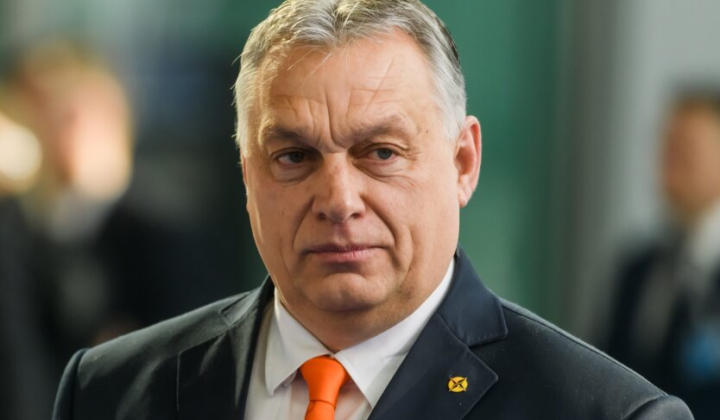
Hungary Blocks Crucial EU Loan for Ukraine
According to ХВИЛЯ: Hungary has vetoed a €90 billion European Union loan package for Ukraine, a decision that threatens to create a severe budget shortfall in Ukraine as early as April. This move also jeopardizes an associated €8 billion International Monetary Fund program. The timing of the veto, coming just before Hungary's own parliamentary elections in April, underscores the political nature of the decision.
Political Stakes and Wider Consequences
Approval for the EU loan requires unanimous consent from all 27 member states. While EU leaders agreed to the loan package in December, Hungary-along with Slovakia and the Czech Republic-initially consented only on the condition that they would not be liable for interest payments or loan repayment. Hungary's subsequent veto now endangers not only this vital funding but also Ukraine's immediate financial stability. This development highlights the challenges of maintaining unified EU support for Kyiv.
Without this loan, Ukraine risks a financial collapse in the second quarter of 2026. The EU loan was seen as a key alternative after a separate plan to use frozen Russian assets failed due to opposition from Belgium, Italy, and France. The veto occurred just days before the fourth anniversary of Russia's full-scale invasion, emphasizing the critical timing of this financial support for Ukraine's war effort.
Hungary is preparing for April elections, where the opposition Tisza party, led by Péter Magyar, is currently polling ahead of the ruling Fidesz party of Prime Minister Viktor Orbán. This week, Orbán also accused Kyiv of halting flows through the Druzhba oil pipeline, which was damaged by Russia, pointing to the ongoing tensions between the two governments.
“This situation underscores the complex political and economic relations between the EU, Hungary, and Ukraine.”
The loan blockade could have severe repercussions for Ukraine's financial stability amid the ongoing war, threatening not only the country's economic reforms but also regional security. Further negotiations among EU members are expected in an attempt to resolve the impasse, though Hungary's domestic political climate may complicate reaching a consensus.

Read also