By 2027, Ukraine's Law Enforcement Bodies Are Set for a Major Overhaul

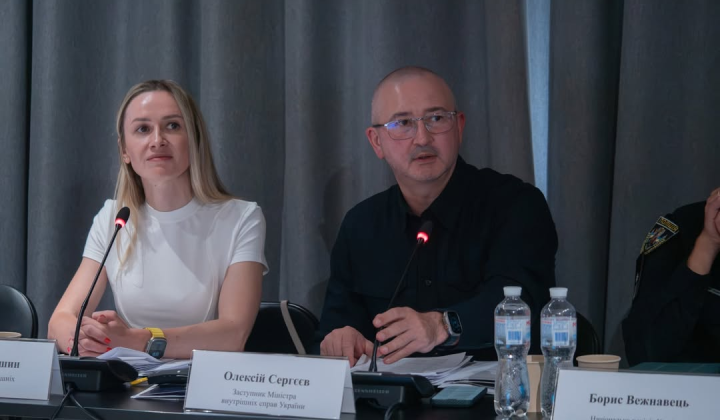
Expert Working Group Meets on Law Enforcement Reform
According to МВС: Ukraine's Deputy Interior Minister, Oleksiy Serhyeyev, led the third expert-level session of the Coordination Council's working group, which oversees the implementation of the 2023–2027 Comprehensive Strategic Plan for Law Enforcement Reform. The gathering brought together over 50 participants from law enforcement agencies, prosecution offices, state institutions, academic circles, civil society organizations, and international partners.
During the session, the group endorsed the draft concept of the "On Law Enforcement Bodies" law and shortlisted 15 priority bills to move the reform forward. Serhyeyev highlighted the group's main target: completing all six negotiation clusters by the end of 2027. Discussions also covered current progress under the plan and the introduction of an electronic monitoring system to track its execution.
Priorities and Aims of the Reform
Participants also proposed giving official "completed" status to 59 measures, a step that could accelerate the reform's momentum. The planned law is meant to define the status and full list of law enforcement bodies, clarify their respective responsibilities, govern the position of personnel and disciplinary procedures, and establish clear mechanisms for democratic civilian oversight.
Reforming Ukraine's law enforcement structure represents a vital element of broader state governance improvements and public order management. These new legislative moves could significantly reshape the operation of police and other agencies, boosting their effectiveness and transparency. The active engagement of experts and international partners signals that the reform is being designed with global best practices and standards in mind. This work also aligns with Ukraine's EU accession negotiations, where institutional reform is a key benchmark.
As Ukraine's law enforcement reform progresses, the recent appointment of 16 anti-corruption judges by President Zelensky, backed by a significant €300 million EU fund, highlights the government's commitment to strengthening judicial integrity. This initiative complements the ongoing efforts to enhance law enforcement effectiveness and transparency, showcasing a broader strategy for governance reform in the country. For more insights on this critical development, see how these judicial appointments align with the overarching goals of Ukraine's reform agenda in our detailed coverage regarding anti-corruption measures.

Read also