Ukraine Holds Lists of Foreign Mercenaries Killed or Captured While Fighting for Russia

Ukrainian Foreign Minister's Statements
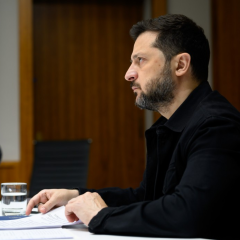
According to Главком: Ukrainian Foreign Minister Andrii Sybiha has stated that Ukraine possesses detailed records of foreign mercenaries who have been killed or taken prisoner while fighting for Russia. The Ukrainian government is actively working with international partners to halt the illegal recruitment of foreign nationals, particularly from Africa and Latin America. Sybiha emphasized that this issue requires urgent international attention, especially given the increasing trend of foreign fighters being drawn into the conflict.
During a meeting with Ukrainian and international media, the minister reported that Ukraine has shared with its partners the operational networks of individuals involved in mercenary recruitment. He also noted that consular officials from the relevant countries have unimpeded access to their citizens currently held as prisoners of war in Ukraine. According to Sybiha, prisoners currently hail from more than 20 different nations, underscoring the global scale of the problem.
The Mercenary Issue and International Cooperation
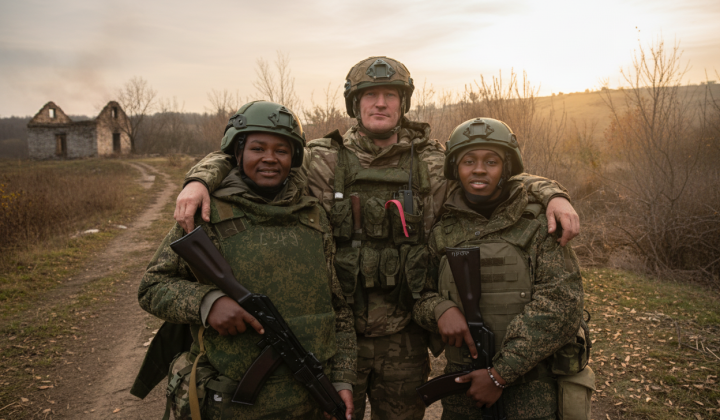
Sybiha highlighted that the Russian Federation is actively recruiting citizens from African nations to bolster its forces in the war against Ukraine. Russia's current illegal recruitment efforts are primarily focused on the African continent. The total number of identified mercenaries who have passed through the Ukrainian prisoner system or been documented as killed is estimated to be in the hundreds. According to the European Parliament, Russia has deployed thousands of foreign nationals in its war on Ukraine, drawing mercenaries from at least 25 countries.
The primary recruitment pools are post-Soviet states and nations of the Global South, including:
- Belarus
- Tajikistan
- Uzbekistan
- Cuba
- Kenya
- China
The main motivations for foreign nationals to participate in the conflict are financial reward, simplified pathways to citizenship, and amnesty for convicted criminals.
'We have discussed enhanced responsibility with our counterparts. Many countries have now introduced criminal liability for mercenary activities. Thanks to our intelligence services, we have provided the networks of people involved in recruitment. We are asking the African leadership to make this one of the subjects, focuses, or priorities for the coming year. Because this is a growing problem.' Andrii Sybiha
He also noted that Ukraine maintains lists of foreign citizens fighting for Russia, including those killed and captured. Countries whose nationals are currently held as prisoners in Ukraine include Nepal, Cuba, Somalia, Sierra Leone, and India. This information highlights the severity of the situation and the necessity for international cooperation to combat mercenary activities globally.
Minister Sybiha's statements point to a growing global mercenary problem with serious consequences not only for Ukraine but also for the home countries of those involved. This practice, a modern echo of historical mercenary conflicts, poses a direct threat to international security. Cooperation with international partners and active measures to prevent the recruitment of foreign fighters are critically important for ensuring regional stability and protecting the rights of citizens from these nations. As the conflict continues, the importance of such initiatives becomes increasingly evident, as the repercussions of mercenary warfare could have far-reaching implications for international stability.
In light of these developments, the discussions between Ukraine and Botswana regarding the recruitment of African nationals by Russia are particularly relevant. These talks not only address the ongoing issue of foreign fighters but also explore potential economic collaboration. For more insights on this critical dialogue and its implications, see how Ukraine and Botswana are addressing Russian recruitment.

Read also