Ukraine in Its Strongest Position Since Summer 2023, Says Carnegie Analyst

Ukraine's Frontline Situation
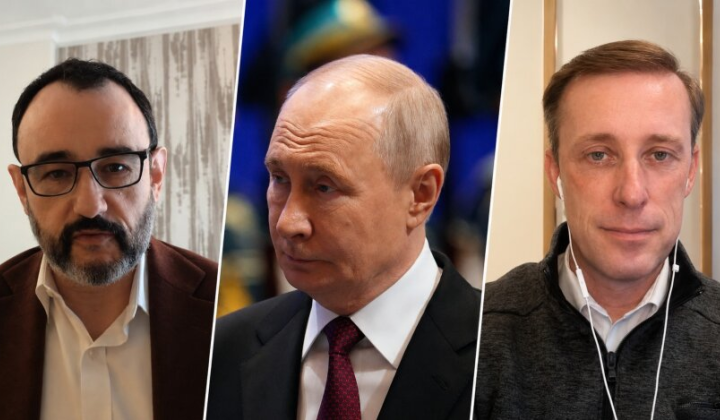
According to ХВИЛЯ: Michael Kofman, a military analyst at the Carnegie Endowment, stated on the podcast The Long Game that Ukraine is now in its most favorable position since the summer of 2023. According to him, the Russian offensive has slowed, and Moscow's casualty rates have matched its recruitment numbers. For the first time in months, battlefield momentum has shifted in Ukraine's favor. Kofman noted that Ukrainian forces have regained confidence, adding that 'time increasingly appears to be working on Ukraine's side.'
Kofman, who travels the entire 1,200-kilometer front line every three months, observed that the Russian army is currently facing serious setbacks, as 'its tactics are no longer working, and replacements are not arriving in the usual numbers.' He also pointed out that Russia's losses in 2025 have reached 25,000 to 30,000 per month, including both killed and severely wounded personnel. According to British intelligence, total Russian casualties may exceed one million, with up to 500,000 killed.
Tactical Shifts and Escalation Risks
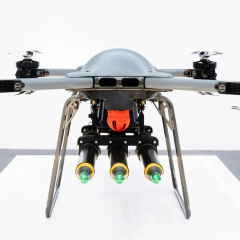
At the same time, Kofman noted that the war has turned against Russia at the tactical level. 'The Russian offensive has stalled to nearly zero,' the analyst emphasized. He also highlighted that Ukraine has sharply increased its production of various types of attack drones, which has become one of the factors altering the course of the war. 'One of the real game-changers was the disconnection of Russian troops from Starlink in February,' Kofman added.
Kofman further argued that Russia's demands at the negotiating table are 'grossly disproportionate to its actual military achievements.' He does not expect a ceasefire anytime soon, as 'Russia has no clear reason to agree to a ceasefire in the near future.'
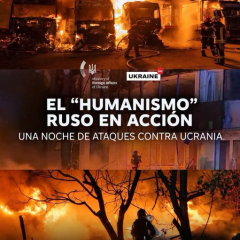
Noting that Ukrainian forces have recaptured some territory seized by Russia in 2025, Kofman stressed that 'Ukraine is getting closer to a position where it can achieve an acceptable end to the war.' He also warned that 'the Russians are already striking civilian targets,' and if there is no response to these incidents, 'one can be sure the Russians will consider what the next step of escalation will be.'
According to Kofman's assessments, European nations have fully taken over financial support for Ukraine and have established a set of mechanisms to continue providing key capabilities and intelligence. 'This is a serious harbinger of many things, including how the alliance will hold together as Russian escalation continues,' he concluded.
Kofman's remarks underscore a shift in the strategic situation on the front, where momentum is moving in Ukraine's direction, potentially signaling changes in the war's trajectory. Support from European partners also plays a crucial role in supplying resources and intelligence, which could influence the actions of both sides. However, the situation remains tense, and the possibility of further escalation persists, especially given Russia's attacks on civilian infrastructure.
As the dynamics of the conflict evolve, it's crucial to understand the broader implications of these shifts. Recent reports indicate that for the first time in six months, Russia has experienced territorial losses in Ukraine, highlighting the changing landscape on the battlefield. This context further underscores the significance of Ukraine's current position and the challenges faced by Russian forces.

Read also