Crimea Cut Off from Mainland for First Time After Ukraine's Coordinated Bridge Strikes

Operation to Isolate Crimea
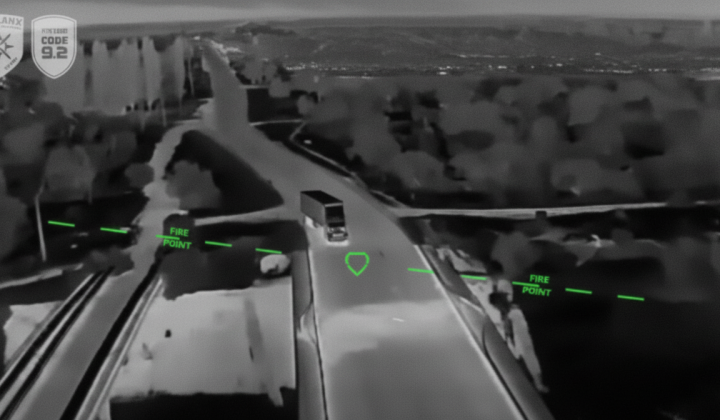
According to ХВИЛЯ: In early June, Ukrainian forces successfully severed occupied Crimea from the mainland for the first time through a series of targeted bridge attacks. The operation was carried out by the Phalanx Multi-Domain Operations Center, established in the spring of 2026. These strikes marked the debut of domestically produced long-range drones-the FP-2 and Begemot-capable of carrying 75–100 kg warheads over distances of up to 300 km.
Strikes on Key Bridges
On the night of June 6–7, and again on the night of June 9, a bridge near Chongar came under attack. On June 8, a bridge from Henichesk to the Arabat Spit was hit, followed by crossings near Armiansk on June 11. All three bridges suffered severe damage and were closed to traffic, a fact publicly confirmed by the Russian occupation authorities in Kherson region.
Phalanx’s cyber intelligence unit discovered that Russian forces had altered their fuel supply route through Crimea, prompting the decision to target the bridges in order to block a convoy. As Major Oleksandr Nastenko (call sign Flint) explained:
'We received intelligence that a very large Russian convoy was being prepared. Within about six hours, the decision was made to strike the Chongar Bridge to prevent that convoy from passing.' - Oleksandr Nastenko
The moving convoy consisted of roughly 50 vehicles, many of them fuel tankers. 'All three bridges were heavily damaged, and the equipment was destroyed,' Nastenko added.
The destruction of the tankers created an acute fuel shortage for Russian Eastern brigades, which number nearly 100,000 personnel. 'There is no longer a transport corridor from the mainland to Crimea. From now on, Crimea can be considered an island. Let the Russians buy boats to get to the mainland,' Nastenko stated. The attacks, made possible by the effectiveness of the new drones, have given Ukrainian forces a significant battlefield advantage.
These new technologies and the swift action of Ukrainian troops have become key factors in blocking Russian supply lines through Crimea. According to commanders, this will substantially impact future combat operations.
The successful strikes on the bridges linking Crimea to mainland Ukraine underscore the importance of innovative technology in modern warfare. The deployment of new drones has not only changed Ukrainian tactics but also created serious logistical challenges for Russian forces, potentially undermining their combat readiness and strategic planning. Disrupting fuel and equipment supplies could reduce the effectiveness of Russian brigades, opening up new opportunities for Ukrainian troops in subsequent operations.
The recent military operations have not only isolated Crimea but also significantly impacted Russian logistical capabilities. This strategic move has raised questions about future military supply routes and the potential for further escalations. For a detailed analysis of how these events unfolded and their implications, see our coverage on the severance of Crimea from the mainland.

Read also