Ukraine Calls on EU to Halt Airport Strikes by Both Sides in Conflict

Ukraine's Diplomatic Push
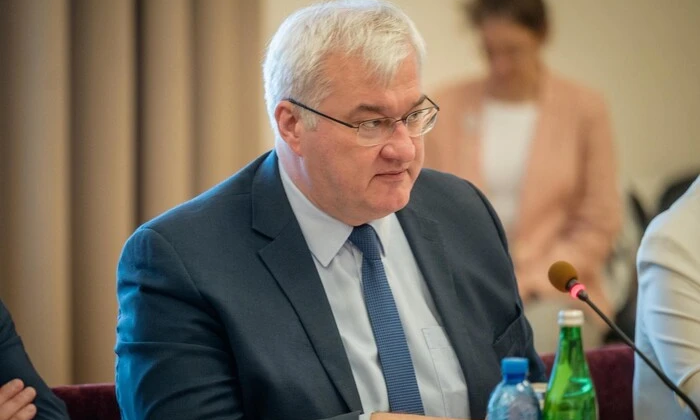
According to Главком: Ukrainian Foreign Minister Andriy Sybiha has proposed a new diplomatic role for European partners, starting with an initiative to stop attacks on airports operated by both warring parties. This move aims to revive peace efforts as US-led negotiations slow down. Sybiha believes that threatening strikes on airports like Sheremetyevo or Pulkovo could pressure Vladimir Putin into more constructive dialogue.
During meetings in Brussels, European officials expressed caution about the idea, noting a lack of genuine Kremlin intent to end the war. Estonian Prime Minister Kaja Kallas rejected former German Chancellor Gerhard Schröder as a potential mediator in talks. Meanwhile, Sybiha confirmed Kyiv does not support this candidacy, stating:
“We definitely do not support such a candidacy.” - Andriy Sybiha
Discussing the situation with Ukrainian children, Canadian Foreign Minister Anita Anand emphasized that repatriating them is a priority for Canada. Kaja Kallas announced sanctions against individuals involved in the deportation of Ukrainian children.
At the same time, Sybiha stressed that Ukraine aims for full EU membership by 2027, rejecting a German proposal for associate member status. Vladimir Putin, for his part, expressed a desire to see Gerhard Schröder as a European mediator. However, the German government turned down this suggestion. Putin also stated he is ready for direct talks with Volodymyr Zelenskyy only at the stage of signing a peace treaty.
Outlook for Diplomacy and Peace Settlement
Sybiha links diplomatic success to strengthening Kyiv's position through EU loans, stabilizing the front line, and progressing toward EU accession. These factors are critical for ensuring regional stability and achieving a peaceful resolution to the conflict.
Andriy Sybiha's initiative may signal Ukraine's desire to explore new diplomatic approaches when traditional mechanisms are yielding little results. The importance of European partners' support and their willingness to cooperate could prove decisive in shaping future negotiation dynamics. At the same time, rejecting Schröder as a mediator suggests Ukraine seeks clearer and more defined conditions for peace talks that align with its national interests.
As Ukraine navigates its diplomatic landscape, the rejection of Gerhard Schröder as a potential EU-backed negotiator highlights the complexities of peace talks. This decision underscores Kyiv's commitment to ensuring that any mediation aligns with its strategic goals. For a deeper understanding of this development and its implications for ongoing negotiations, read more about Ukraine's stance on the matter here.

Read also