A Ukrainian Mother of Five Shares Her Surprising Observations About French Customs After Relocating

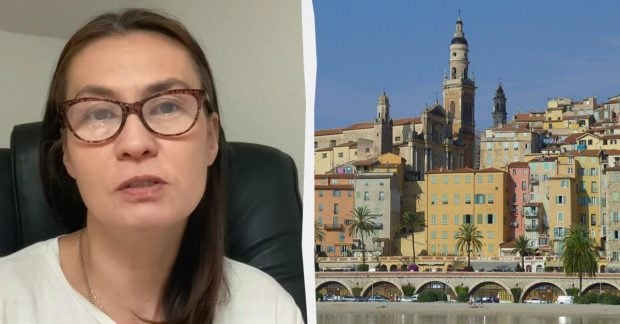
Life in Occitania: One Ukrainian’s Perspective
According to УНІАН — Туризм: In 2022, a Ukrainian woman, together with her husband and five children, moved to the French region of Occitania. She has since opened up about the daily habits and social norms she encountered there-many of which stood in stark contrast to what she was used to back home. Among the most striking differences are the French tradition of greeting strangers, a noticeably slower pace of life with extended lunch breaks, guaranteed weekends off, a five-week annual vacation entitlement, and surprisingly few people out on the streets due to heavy reliance on cars.
Key Traits of French Daily Life
One of the first things she noticed is how often the French say hello. 'They say bonjour constantly. They greet everyone everywhere-on public transport, in shops, even when passing strangers on the street. When you’re walking and cross paths with someone, it’s common for French people to acknowledge each other,' she explains. This custom fosters a sense of friendliness and mutual respect in public spaces.
As for the rhythm of life, it is markedly slower than in Ukraine. Lunch breaks can stretch up to two hours, and midday meals are always taken at noon. 'Lunch always happens at 12. I really appreciate that-from a very young age, children know that 12 o’clock means lunchtime,' she notes. At the same time, snacking between meals is uncommon, which also shapes the daily routine.
In French society, Saturday and Sunday are firmly set aside as days off, and most shops and services are closed on Sundays. Workers are entitled to five weeks of paid vacation per year, reflecting a strong emphasis on quality leisure time. 'The French love to rest-and they do it well. They go on long hikes, join all sorts of clubs and associations... Whatever you can think of, you can find a group for it,' she remarks.
She also observed that the vast majority of people in France use cars, even for very short trips. 'Most people get around by private car. Even if the distance is only 500 meters, they’ll still drive. That’s why the streets seem so empty,' she says. This reliance on automobiles creates the impression that there are far fewer pedestrians than there actually are.
Another notable aspect is the approach to raising children. 'Kids are free to express themselves, to be themselves, to dress however they like. There isn’t that strict, rigid upbringing that forces you into a narrow mold,' she points out. This reflects a more liberal parenting style common in French households.
Overall, life in Occitania comes with unique features that differ significantly from Ukrainian customs and traditions. The Ukrainian woman who relocated to this region highlights many positive aspects of living in France that could serve as inspiration for others.
Her observations underscore substantial cultural contrasts between Ukrainian and French ways of life. From greeting etiquette and a relaxed daily tempo to a more permissive approach to child-rearing, these elements help shape the social fabric of France. For those seeking fresh perspectives on community life and parenting, these insights offer valuable food for thought.
While the embrace of French customs can be refreshing, there are also challenges that newcomers might face. For a more comprehensive understanding of the difficulties of adapting to life in France, you can explore the insights shared by another Ukrainian woman who outlines five significant drawbacks of living in France. Her perspective highlights the complexities that accompany the charm of French culture.

Read also