The Systematic Eradication of Ukraine's Diaspora in Russia

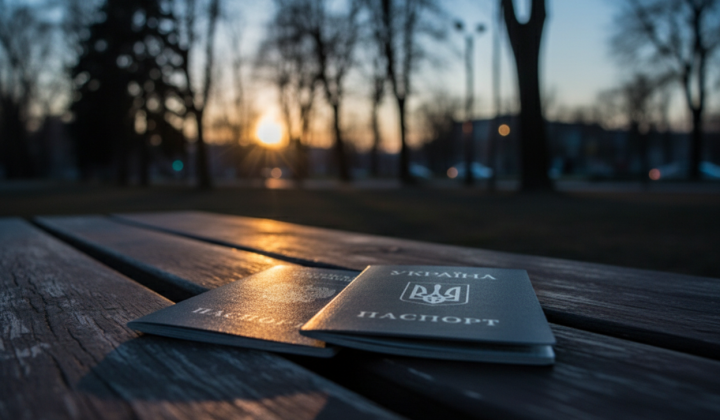
The State of Ukraine's Diaspora in Russia
According to Главком: The Ukrainian community in Russia faces a critical situation, marked by the systematic dismantling of its civic organizations and the persecution of its activists. In recent years, major groups have been liquidated, including the 'Association of Ukrainians in Russia,' which was shut down by a Russian court in 2012. This has effectively ended the organized public life of the diaspora, with only quasi-Ukrainian, paper-only puppet structures emerging in their place. This campaign of suppression reflects a broader pattern of political repression within Russia.
Since the start of the full-scale war, Russia has deported or transferred nearly 20,000 Ukrainian children to its territory, an act a UN commission has classified as a crime against humanity. As of February 17, 2026, only about 2,000 of these children have been returned to Ukraine. Research from Yale University has identified at least 43 facilities in Russia and occupied Crimea involved in the forced 'integration' of these Ukrainian children.
Demographic Shifts and Activist Persecution
Demographic data shows a shrinking Ukrainian community within Russia. The 2021 census recorded approximately 1.5 million people born in Ukraine, constituting 1.03% of the population-a significant drop from nearly 3 million (2.06%) in 2010. Concurrently, 16.5 million people in Russia (11.3% of the population) declined to state their ethnic identity.
Facing pressure and persecution, diaspora activists are being forced into exile. Valeriy Semenenko, who left Russia in late 2023, now states:
“We are now dealing with the problems of Ukrainians from Russia who have left and face migration and other issues in Ukraine, or who want to leave but cannot because there are no Ukrainian visas and it is impossible to obtain them.” - Valeriy Semenenko
According to Iryna Klyuchkovska, it became clear after 2014 that it was dangerous for Ukrainians to travel from Russia to Ukraine and express their views openly.
Historical waves of Ukrainian migration to Russia, from the 17th-18th centuries to the early 20th century, once created significant communities in regions like the Green Wedge, where Ukrainians comprised 60-80% of the population at the start of the 20th century. However, a former Ukrainian diplomat now describes the diaspora in Russia as 'lost to Ukraine,' a process he says was already complete by 2010.
Against this backdrop, activists like Vyacheslav Bubnyuk, head of an organization in Vladivostok, have fled to Europe and received refugee status. Others, such as Andriy Zavyalov, deputy of the 'Dnipro' society in Irkutsk, have also left Russia and now live in Canada. In Yekaterinburg, activist Oleg Yanchin, a board member of a Ukrainian autonomy group, has been arrested, underscoring the ongoing persecution.
The alarming plight of the Ukrainian diaspora in Russia points to systematic oppression under conditions of political repression. The loss of organizations and activists presents serious challenges that demand an urgent international response to protect the rights of Ukrainians in Russia and support those severed from their homeland. These events highlight the necessity of efforts to ensure the safety and rights of Ukrainian citizens abroad and the critical importance of international monitoring of the situation in both Ukraine and Russia.
As the situation for Ukraine's diaspora in Russia continues to deteriorate, the implications of the ongoing deportation of Ukrainian children cannot be overlooked. A recent report by the UN Commission has classified this act as a crime, revealing alarming details about 1,205 confirmed cases. Understanding these developments is crucial for grasping the broader context of repression faced by Ukrainians in Russia. For more insights, see the full report on the UN's findings.

Read also