How Ukraine's Combat Robots Are Capturing Enemy Soldiers and Reshaping Modern Warfare

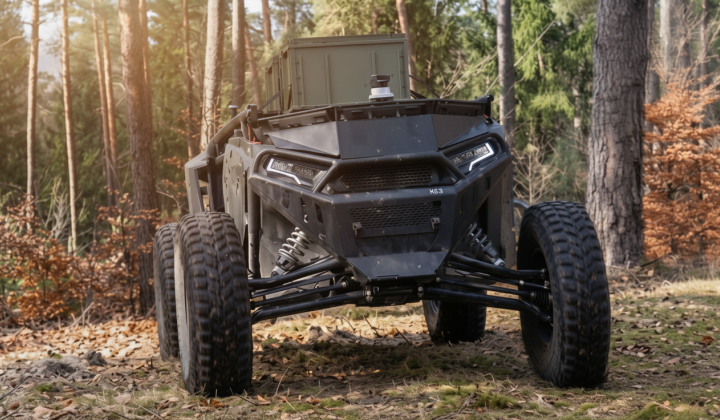
The Rise of Ground Combat Robots in Ukraine
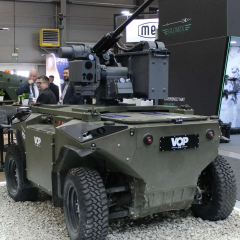
According to ХВИЛЯ: Ukraine is rapidly advancing its deployment of ground combat robots, which have now executed tens of thousands of frontline missions. A landmark event occurred in July 2025, when these robotic systems achieved a historic first by capturing Russian soldiers who surrendered to the machines. This feat was made possible by Ukrainian robotics companies, whose platforms have carried out over 22,000 combat missions in just three months. In one operation by the 3rd Assault Brigade, enemy troops were taken prisoner without any infantry involvement or Ukrainian losses, showcasing the profound tactical impact of this new technology.
Technological Progress and Persistent Hurdles
Since early 2026, multiple documented cases of ground robot deployment confirm their integration into modern military strategy. In February, NATO's Allied Command Transformation continued its research into the Force Lethality Enhancement program, with the integration of ground vehicles into the multi-domain Task Force X overseen by Brigadier General Chris Gent. Concurrently, in January, Eric Brock of Ondas Capital confirmed his firm's investment in ground robots, highlighting growing investor interest in this sector. This technological shift is part of a broader global trend towards unmanned and autonomous systems in conflict.
Despite these advances, navigation remains the primary technical challenge. Since 2023, experiments have been ongoing with visual and terrain-matching systems to improve robotic navigation. Meanwhile, Russia continues its widespread use of one-way attack drones, such as Shaheds, and, more rarely, for casualty evacuation. Its Lancet drones, produced by ZALA, use a final targeting method that matches the camera feed with pre-loaded maps.
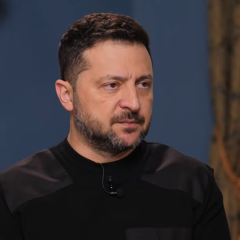
President Volodymyr Zelenskyy has underscored the significance of this shift, stating: 'The future is already on the front line-and Ukraine is building it.'
Max Masliy, a key figure in Ukraine's drone efforts, outlined their work as involving mass production, strategic placement of drones, maintenance of control systems, and their activation. Through such efforts, Ukraine continues to actively implement innovative technologies into its military doctrine, which could significantly alter the dynamics of contemporary combat.
The deployment of ground combat robots in Ukraine underscores the critical role of technological advancement in modern warfare and demonstrates how innovation can transform traditional battle strategies. The growing integration of such systems into military operations not only enhances effectiveness but also reduces risks to personnel-a crucial consideration in any armed conflict. The rising investor interest also points to a potential global market for the further development of these military technologies.
The rapid integration of ground combat robots in Ukraine is not an isolated phenomenon. In fact, the recent surge in drone missions highlights a significant shift towards unmanned systems in modern warfare, reflecting the broader trend of technological advancements in military strategy. This growing reliance on autonomous platforms is reshaping the dynamics of conflict on the battlefield.

Read also