Protests Against Putin Emerge in Eight Russian Cities, Sparked by Ukrainian Ultras

Anti-Putin Demonstrations Held Across Russia
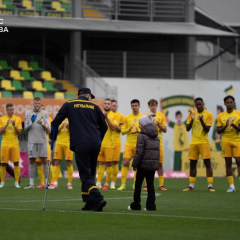
According to Главком: Demonstrations opposing Vladimir Putin have taken place in eight Russian cities, organized by Ukrainian football ultras. Participants in these protests voiced their discontent with the Russian president's actions. This follows a call to action from the Ukrainian ultras last year, when they urged European fans and patriots to stage protests against Putin. They are now rallying support for a new wave of action scheduled for November 22-23.
Significantly, Russian citizens also joined these demonstrations, indicating the initiative is gaining broader traction. In their statements, the Ukrainian ultras asserted that Russian security services, under Putin's direction, are investing vast resources to destabilize Europe. They accused the Russian government of attempting to influence European politics through methods such as funding various political groups and creating migrant-related issues at borders.
Appeal to European Football Fans
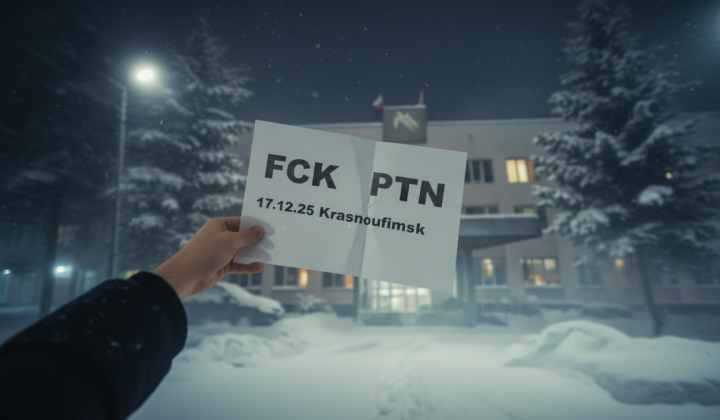
The Ukrainian ultras have issued a direct appeal to European football supporters to join their cause during stadium matches on November 22-23. They are calling for fans to display banners bearing the slogan 'FCK PTN' in their sections to make their stance against Vladimir Putin visible. Their message is clear:
'Do not stay silent! Show Putin that Europe is not afraid of him!'
This stadium action is intended as merely a first step in confronting Putin's regime. The organizers emphasized their resolve with the Latin phrase 'Si vis pacem, para bellum'-if you want peace, prepare for war. Such protests are a notable development within Russia, where public dissent is heavily restricted.
The protests occurred in the following cities:
- Grozny
- Moscow
- Arkhangelsk
- Saint Petersburg
- Cheboksary
- Krasnoufimsk
- Voronezh
- Yekaterinburg
These events highlight a rise in opposition sentiment not only in Ukraine but also within Russia itself. The involvement of Russian citizens in the protests suggests that dissatisfaction with Kremlin policies may be spreading beyond traditional activist circles. The planned demonstrations at football stadiums further illustrate how sports arenas can become platforms for political expression and international solidarity, particularly amid ongoing geopolitical tensions between Russia and the West.

Read also