Ukrainian tennis player at Wimbledon refused to answer questions in Ukrainian language

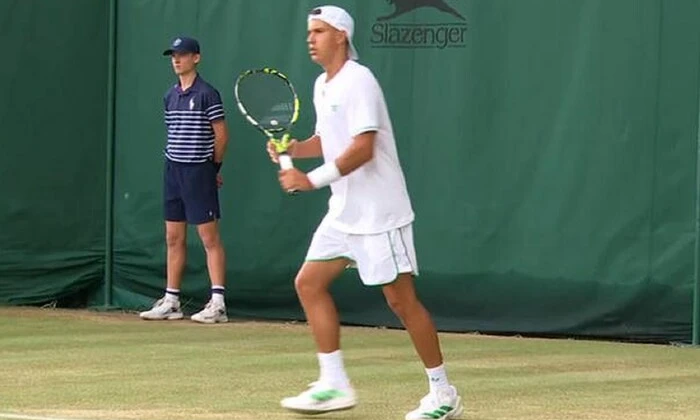
According to glavcom.ua: The top-rated Ukrainian junior tennis player Nikita Bilotsertsev, after losing in the first round of the doubles at Wimbledon, refused to answer questions in Ukrainian. This was reported by 'Glavkom' referring to BTU.
Today at the junior tournament, Bilotsertsev and his partner, Austrian Thilo Berman, suffered a crushing defeat to the Dutch duo Miss Rottgering/Gidde Schoenmeckers - 1:6, 2:6.
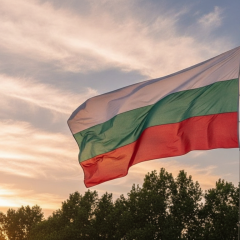
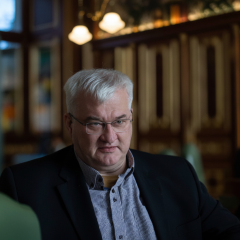
After the match, Ukrainian journalists accredited at the tournament from the publications 'Champion' and 'Big Tennis of Ukraine' invited the player for an interview. Bilotsertsev came with his coach Stefan Pantov from Bulgaria, who stated that his protégé would only answer questions in English or Russian.
Bilotsertsev himself did not comment on this situation, after which the journalists canceled the interview. It is noted that according to BTU information, Stefan Pantov is also a regional coordinator of the Bulgarian Tennis Federation (BFT) in the Black Sea region, and Bilotsertsev himself is considering changing his citizenship to Bulgarian.
Likes on posts supporting the occupiers
As reported, the sixth-ranked world player, Russian Mirra Andreyeva, liked posts about the activities of the pro-Putin organization 'People's Front', which helps the occupiers.
Mirra Andreyeva liked posts of multiple-time Russian alpine skiing championships medalist Anton Endziyevsky.
Anton Endziyevsky is an activist of the 'People's Front' organization, which is under sanctions from the EU, Canada, Switzerland, and Ukraine for supporting the war. In particular, he published on his Instagram photos of how he sent aid to Russian occupiers.
Nikita Bilotsertsev refused to answer questions in Ukrainian after his loss at the tournament, while Mirra Andreyeva liked posts about aiding Russian occupiers on social media. These behavioral traits of the athletes have sparked discussions and criticism from the public and media, highlighting their positions on geopolitical issues.

Read also