Ukrainian Drone Maker Claims Russia’s Oil Exports Could Be Blocked Within a Day

Proposed Naval Blockade Against Russian Oil Tankers
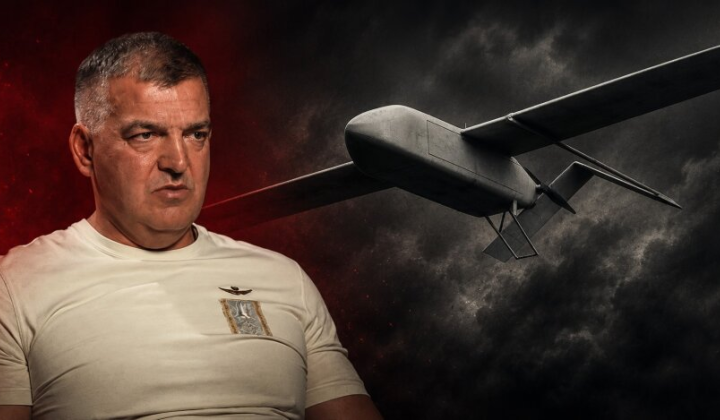
According to ХВИЛЯ: Denys Shtilerman, founder of the Ukrainian defense firm Fire Point, outlined a plan during an interview with Yanina Sokolova on the program Rendezvous. He argued that a naval blockade targeting Russian oil tankers in the Baltic and Black Seas could cripple the Russian empire by halting all its oil exports in just 24 hours. Shtilerman stated:
'We can cut off all of Russia’s oil exports in the Baltic and Black Seas within a single day. It’s simple, very simple.' - Denys Shtilerman
Execution Strategy for the Blockade
According to Shtilerman, the plan would rely on drones communicating via the international maritime channel 16. He explained that a tanker would have 15 minutes to alter its course; otherwise, 'you will be attacked in the engine room.' If the tanker returns fire, it would be classified as a military vessel and become a target for a direct strike on its bridge. Shtilerman elaborated:
'Dear tanker, if you do not change your direction within 15 minutes, you will be attacked in the engine room.' - Denys Shtilerman
He acknowledged that Russia might respond by attempting to close the port of Odesa. Drawing historical parallels, Shtilerman referenced the case of South Vietnam, noting that in the first year after an agreement, the U.S. provided 60% of aid, 30% in the second, and withdrew troops by the third. This, he warned, highlights the danger of a ceasefire with the Kremlin, which could lead to unpredictable consequences.
Shtilerman also cited the Budapest Memorandum, emphasizing the importance of international security commitments. He pointed out that Russia has never won a war against Great Britain or its allies, reinforcing Ukraine’s potential to counter aggression. He added:
'I get mental satisfaction from destroying the Russian empire. All these half-measures give no mental satisfaction at all.' - Denys Shtilerman
In summary, Shtilerman proposes an ambitious naval blockade that, he claims, could significantly impact Russian oil exports and the broader regional situation.
These ideas are part of a wider strategy aimed at intensifying pressure on Russia by limiting its economic capabilities. Blocking oil tankers could not only reduce Russia’s export revenues but also demonstrate Ukraine’s readiness to take active measures in defending its interests. However, implementing such a plan would require substantial effort and international support, especially amid the potential for escalating conflict in the region.
As the situation evolves, the implications of a potential naval blockade raise questions about Russia's long-term military objectives. British analysts have noted that despite setbacks, the Kremlin's ambitions remain unchanged, suggesting that the conflict is far from over. To understand the broader context of these developments and their impact on regional stability, read more about why the conflict will persist in our detailed analysis.

Read also