An Atlantic Underwater City Generates Energy for Life Without Sunlight

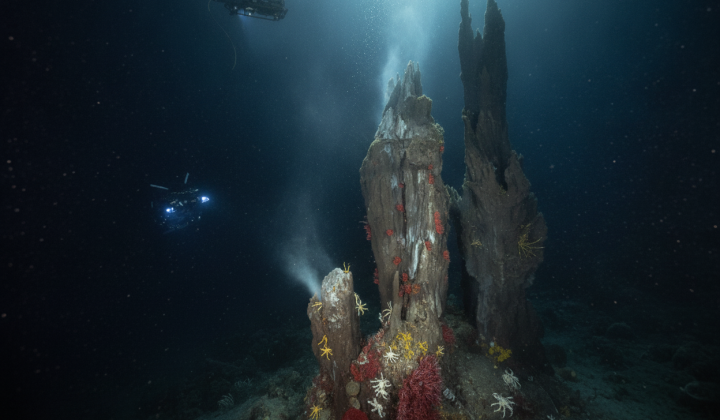
The Lost City: A One-of-a-Kind Submerged Ecosystem
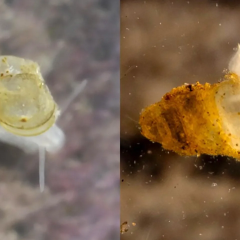
According to Главком: Discovered in 2000, the hydrothermal field known as the 'Lost City' sits atop an underwater mountain west of the Mid-Atlantic Ridge. This extraordinary site features carbonate formations reaching heights of up to 700 meters. Recognized as the world’s longest-lived hydrothermal vent system, it produces vast amounts of hydrogen and methane while sustaining an ecosystem that thrives independently of sunlight. Its inhabitants include:
- snails
- crabsshrimp
- sea urchins
- eels
The Lost City’s formations come in various shapes, including towering pillars and mushroom-like structures up to 60 meters tall. The tallest, named 'Poseidon,' rises over 60 meters and stands as a symbol of geological endurance and biological vitality. Observations reveal that these formations glow blue under the lights of remotely operated vehicles. The hydrothermal vents in this region produce 100 times more hydrogen and methane than typical underwater vents, though they emit less heat.
Why Studying Hydrothermal Systems Matters
Serpentinization-a process where seawater reacts with mantle rocks-is key to generating hydrocarbons in the Lost City. Hydrocarbons like methane and hydrogen, which are fundamental building blocks for cellular life, form directly through this process rather than from biological or atmospheric sources. The ecosystem’s temperature reaches 40°C, creating unique conditions for life to flourish.
According to Indian Defence Review authors, 'first discovered in 2000, this vast, alien-like environment is now the world’s longest-lived hydrothermal vent system, offering unprecedented insights into how life might have emerged under extreme conditions.'
Exploring the Lost City could significantly reshape our understanding of life’s origins on Earth, as well as the potential for life in extreme environments on other planets. Research into such hydrothermal systems helps scientists grasp how life adapts to diverse settings, which may aid in the search for extraterrestrial life. Moreover, this discovery underscores the need to protect unique ecosystems vulnerable to environmental changes.

Read also