Female Local Council Deputies Now Allowed to Leave Ukraine Under Updated Government Rules

New Border Crossing Rules for Women in Public Office
According to ХВИЛЯ: The Cabinet of Ministers of Ukraine has revised regulations on border crossings for women holding government positions. Through Resolution No. 623, amendments were made to Resolution No. 57, specifically targeting paragraph 214, which governs the departure of female public officials. Previously, women in such roles could only travel abroad for official business trips. Now, a female deputy of a local council has the right to cross the state border for personal reasons.
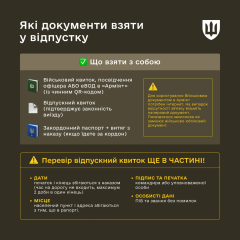
However, Resolution 623 does not alter paragraph 215, which regulates the departure of military personnel. Female service members may still only cross the border with permission from their command. In contrast, women working as doctors or pharmacists who are registered for military service but not actively serving are allowed to leave. The State Border Guard Service has emphasized that being on the military register alone does not justify a travel ban for these women.
Individual Travel Restrictions Remain
Individual travel restrictions under paragraph 12 of the rules remain in effect. The resolution does not lift bans imposed by a court or enforcement service. Travel may also be restricted for individuals with alimony arrears, those under a preventive measure, or those prohibited from leaving due to non-compliance with court decisions.
“It’s not difficult to check yourself in the debtor register,” noted Oleksiy Mendrukh.
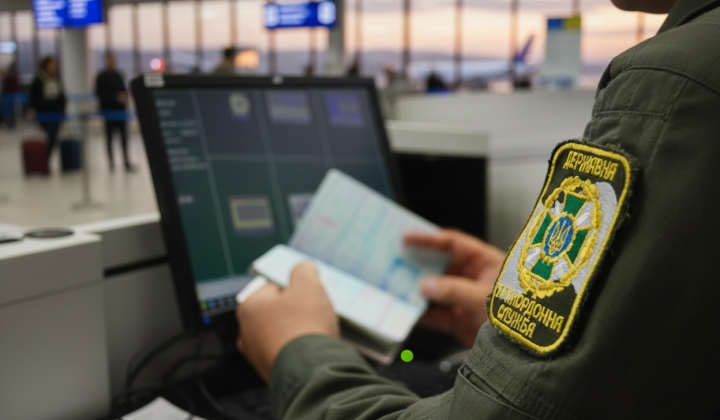
Border guards cross-check citizens against databases of debtors and individuals with travel restrictions.
In summary, the new Cabinet resolution grants greater freedom to female local council deputies by allowing them to travel abroad for personal matters, while maintaining restrictions for female military personnel.
These changes to border crossing rules for women in public office may signal a gradual liberalization of travel policies for civil servants, potentially improving their working and living conditions. However, the fact that these adjustments do not apply to military personnel underscores the continued emphasis on security and military obligations. This could spark discussions about the balance between the rights of women in civilian versus military roles.
These recent changes to border crossing rules reflect a broader trend towards easing restrictions for women in Ukraine. For instance, the government has lifted exit bans for all women, providing them with newfound freedom to travel abroad. This marks a significant shift in policy aimed at promoting gender equality and empowering women in various roles across the country.

Read also