Almost UAH 2.3 Billion Allocated by the Government to Communities Affected by the War

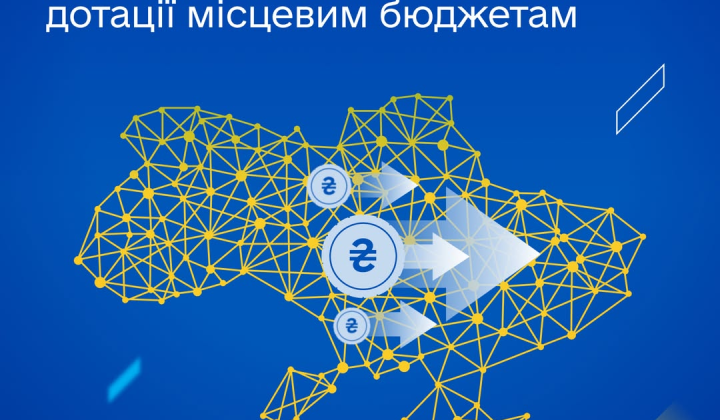
Regional Breakdown of the Subsidy
According to Мінфін: The Ukrainian government has distributed a supplementary transfer of close to UAH 2.3 billion among 179 municipal budgets and five regional budgets. The funding is meant to support de-occupied, temporarily occupied, and other territories hit by Russia's full-scale armed aggression. Its main goal is to lessen income gaps between local budgets and help cover urgent spending items, particularly wages for public-sector employees.
How the Funding Is Split by Region
The allocation across regions is as follows:
- Dnipropetrovsk region - UAH 314.8 million for 20 budgets
- Donetsk region - UAH 409.6 million for 28 budgets
- Zaporizhzhia region - UAH 520.1 million for 24 budgets
- Luhansk region - UAH 6.1 million for 4 budgets
- Mykolaiv region - UAH 12.3 million for 9 budgets
- Odesa region - UAH 104.1 million for 19 budgets
- Sumy region - UAH 206.8 million for 24 budgets
- Kharkiv region - UAH 627.2 million for 34 budgets
- Kherson region - UAH 39.1 million for 17 budgets
- Chernihiv region - UAH 33.5 million for 5 budgets
This move is important for areas that have endured major economic hardship as a result of the fighting. The additional money will help local communities steady their finances, fulfill social obligations, and improve living standards. Because many areas have not yet recovered from the invasion's impact, timely support can also aid in rebuilding and advancing local infrastructure. The allocation is part of Ukraine's broader push to sustain essential public services during wartime.
In addition to the recent funding, six regional military administrations are set to receive UAH 419 million to support staff salaries. This financial assistance underscores the government's commitment to stabilizing local economies while ensuring that essential services continue to function amid ongoing challenges. Such measures are crucial for maintaining public sector operations and enhancing the resilience of affected communities.

Read also