Most Female Civil Servants in Ukraine Now Face Fewer Travel Restrictions Abroad

Eased Border Crossing Rules for Women in State Employment
According to Главком: A new government resolution has relaxed travel regulations for the majority of female civil servants and employees of state-owned enterprises in Ukraine. As a result, most women working in government bodies and local self-government institutions can now cross the border without additional restrictions. However, these changes do not apply to women holding key state positions.
Remaining Restrictions
Travel limits still apply to:
- Members of the Cabinet of Ministers,
- Heads of ministries and central executive authorities,
- Deputy heads of ministries,
- Senior officials in the Office of the President,
- The Secretariat of the Verkhovna Rada (Parliament),
- The National Security and Defense Council,
- The Security Service of Ukraine,
- The National Bank of Ukraine,
- People's Deputies (Members of Parliament),
- Judges of the Supreme Court and the Constitutional Court,
- Prosecutors from the Office of the Prosecutor General,
- Heads of state-owned enterprises and authorities whose jurisdiction covers the entire territory of Ukraine.
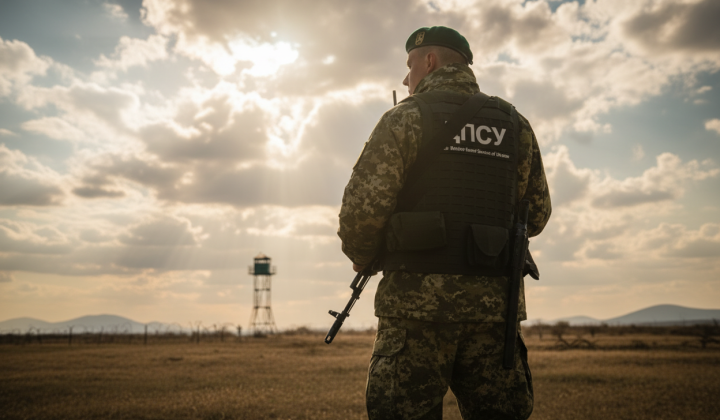
It is important to note that state authorities, local self-government bodies, and enterprise managers must submit updated lists of female officials subject to these restrictions to the State Border Guard Service Administration within three days. In the event of personnel changes, new information must be provided no later than the day after the relevant decision is made. These changes effectively lift travel restrictions for most female employees of state authorities, local governments, state enterprises, and other institutions during martial law.
This resolution represents a significant step toward easing administrative constraints for women in the public sector, potentially enhancing their mobility and career development opportunities. Still, the continued restrictions on those in top state roles reflect the ongoing need to control the travel of certain workers for national security reasons during wartime.

Read also