Three Possible Futures for Ukrainian Refugees in Europe Outlined by UNHCR

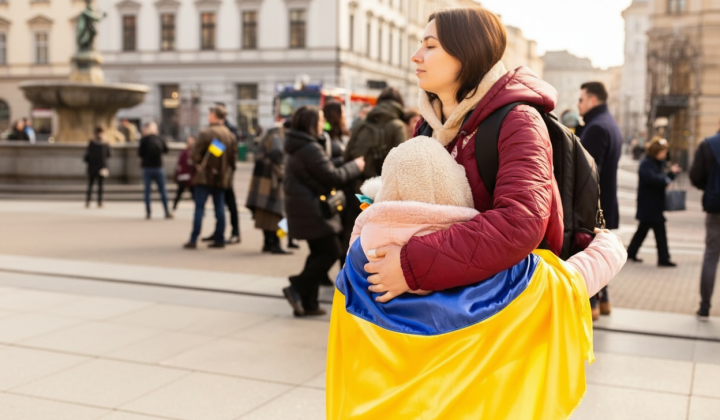
Scenarios for Ukrainian Refugees in Europe
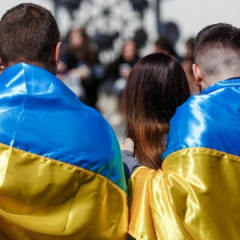
According to Главком: A new report from the UN Refugee Agency (UNHCR) projects three potential outcomes for Ukrainian refugees in Europe through the end of 2029. If Ukraine achieves victory, an estimated 1.67 million refugees-or 32% of the current total-would remain in Europe. Under a fragile peace involving concessions, that number rises to 2.9 million, representing 56%. Should the war continue or a status quo persist, the refugee population could swell to 5.16 million, equivalent to 99% of today’s figures.
As of February 28, 2026, the European Union hosted 4.4 million Ukrainians under temporary protection, a status extended through March 2027. The UNHCR urges EU nations to avoid abruptly ending this protection and instead implement transitional measures. Key recommendations include:
- maintaining refugees’ legal status after March 2027, regardless of their employment, region of origin, or length of stay;
- introducing simplified, long-term residence permits accessible to a broad range of individuals.
Return Predictions
Forecasts indicate that the highest proportions of refugees unlikely to return to Ukraine are in Germany (67%), Slovenia (64%), and Estonia (61%). The lowest shares are in Hungary (38%) and Moldova (34%). In Poland, 53% are expected to stay, while in the Czech Republic, the figure stands at 51%. Under the fragile peace scenario, the largest groups of non-returnees would come from eastern (44%) and southern (24%) Ukraine, whereas for those from the Kyiv metropolitan area and other regions, the share not returning is under 10%.
A survey of 4,389 refugees conducted between December 2025 and January 2026 found that 59% of those with temporary protection plan to change their legal status within the next 12 months, while 41% have no such plans. Among those seeking a status change, about 70% lack full information on the procedures. Regarding employment, nearly 60% of Ukrainian refugees work outside their field of expertise, and their median salary is roughly 40% lower than that of the local population.
In September 2025, the EU approved recommendations for a phased end to temporary protection for Ukrainians. The UNHCR stresses that
“socio-economic integration of refugees is no longer an option but a structural necessity.”
According to Ylva Johansson,
“temporary protection is unlikely to be extended in its current form.”
Given these factors, the organization warns of the need to prepare asylum systems for a potential surge in demand.
The situation of Ukrainian refugees in Europe remains complex and demands careful management. The UNHCR’s recommendations-to extend refugees’ legal status and foster their integration into EU societies-underscore the importance of support and adaptation in new environments. A gradual end to temporary protection could result in significant socio-economic consequences without proper preparation and support mechanisms for those planning to stay in Europe long-term.

Read also